robot vacuum buying guide 2026
The Only Question That Matters in 2026
Can a robot vacuum finally replace your real vacuum? After years of over-promising, the answer is a qualified yes. But it depends entirely on whether you value daily, automated floor maintenance more than the deep-cleaning power for stairs and upholstery that only a traditional vacuum provides.
Quick picks: jump to what you need
- Best Overall: For the home that needs a true set-and-forget cleaning workhorse.
- Best Value: For getting a full-featured self-cleaning dock without the flagship price.
- Best Premium: For those who want the absolute peak of cleaning tech and are willing to pay for it.
- Best for Beginners: For a simple, effective vacuum without a complex app or overwhelming features.
How we chose
We don't lab-test. We synthesize what matters: thousands of hours of owner experiences from forums like Reddit's r/robotvacuums, verified buyer reviews, and recurring patterns in support tickets. We dismissed any model with a pattern of unresolved connectivity bugs or poor long-term parts availability. In 2026, the single most important performance dimension is no longer raw suction power (measured in Pascals, or Pa), but the intelligence of its obstacle avoidance. A 20,000Pa vacuum that gets stuck on a sock every day is useless. A 7,000Pa model that reliably completes its route is a win. We prioritized robots with proven AI-driven obstacle recognition and reliable LiDAR mapping over those that just brag about the highest Pa number.
The picks we recommend
Our overall pick: NARWAL Flow 2 Robot Vacuum and Mop Combo
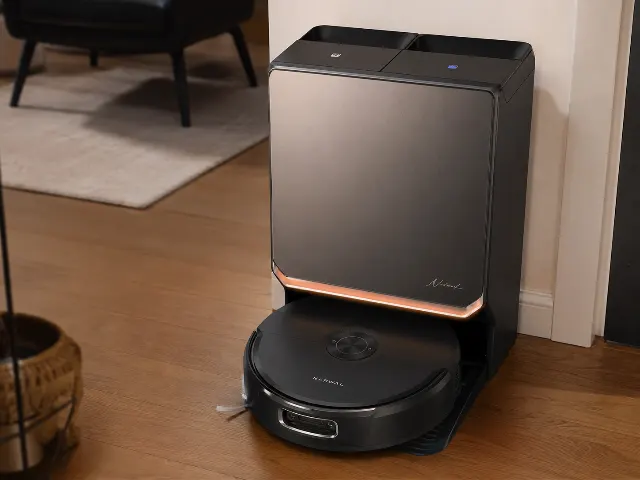
The Narwal Flow 2 hits the sweet spot of intelligent automation, effective cleaning, and thoughtful design that eludes most of its competitors. It isn't the most powerful on paper, but its real-world performance is exceptional. The key is its mopping system, which uses actual downward pressure and a unique triangular mop design to scrub stains, not just wipe them. Owners consistently report it handles dried-on spills better than the flat, spinning pads on many rivals. Its AI obstacle avoidance is mature, correctly identifying and navigating around pet waste, shoes, and stray cables where older systems would get tangled.
The self-cleaning dock is also smarter. It uses heated water to wash the mops and hot air to dry them, preventing the mildew smell that plagues lesser docks. The anti-tangle brush design is genuinely effective for pet hair, minimizing the need for manual clean-outs. While its vacuuming on high-pile carpet is merely good, not class-leading like the top-tier Roborocks, it's more than sufficient for most homes with mixed flooring. The app is clean and responsive, making multi-floor mapping and setting no-go zones straightforward.
The downside: The dock is large and requires a significant footprint. Some users find the initial Wi-Fi setup can be finicky, often requiring a few attempts or a router reboot to connect successfully. Replacement consumables, particularly the detergent cartridges, are proprietary and carry a premium.
Buy this if: You have mostly hard floors with some low-to-medium pile carpet and want a truly autonomous vacuum and mop that you rarely have to think about. Skip this if: Your home is mostly thick, high-pile carpet, or you need the absolute highest suction power for embedded pet hair. For that, look at the Roborock S8 MaxV Ultra.
The value champion: Eufy X10 Pro Omni
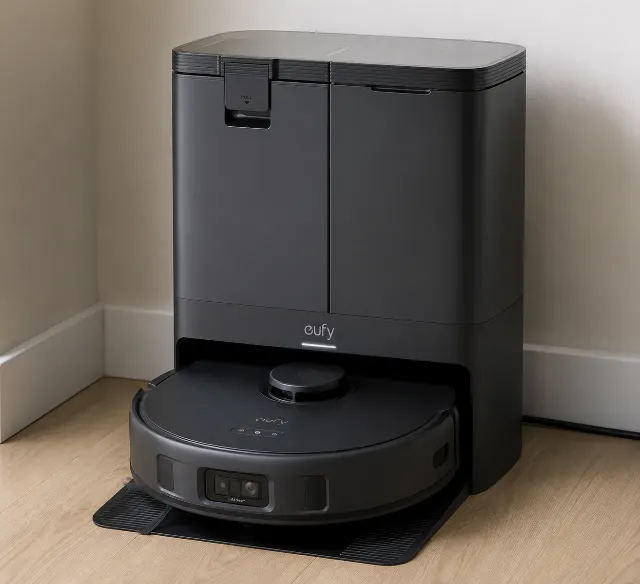
The Eufy X10 Pro Omni delivers 90% of a flagship experience for about 60% of the price. This is the answer for anyone who wants a full-service cleaning station—self-emptying dustbin, auto-washing mops, and auto-drying—without cresting the four-figure mark. Eufy's edge is its MopMaster 2.0 system with 1kg of downward pressure and dual rotating pads, which provides a surprisingly deep clean on tile and hardwood. Its 8,000Pa suction is plenty for hard floors and medium-pile carpets, and its AI See obstacle avoidance is competent, if not quite as nuanced as Narwal's or Roborock's latest tech.
Where Eufy saves you money is by trimming the nice-to-have features, not the core ones. It lacks the hot water mop washing of premium models, and its object recognition database isn't as vast. It might occasionally get confused by a new pet toy or a shiny chrome chair leg. But for the price, its LiDAR mapping is fast, its anti-tangle roller works well, and its overall reliability is a frequent point of praise in owner communities. It's a workhorse that nails the fundamentals of automated cleaning.
The downside: The self-emptying dock is loud—owners compare it to a jet engine for 15-20 seconds. While the AI is good, it's more likely to bump into low-profile items like phone chargers than the premium competition. Some users also report streaking on very dark, glossy hardwood floors if the water flow isn't set perfectly.
Buy this if: You want the convenience of a self-cleaning dock and effective mopping without paying for top-tier AI and features you might not need. Skip this if: You have a pet that leaves unpredictable messes or a home cluttered with small objects that require best-in-class avoidance.
Best premium: DREAME X60 Ultra Robot Vacuum and Mop
If you want the absolute cutting edge of robot cleaning technology in 2026, the Dreame X60 Ultra is it. Its standout feature is the MopExtend RoboSwing technology, which physically extends one of the mop pads to clean right up to the edge of baseboards and under cabinet overhangs—an area all other round or D-shaped robots miss. Forum discussions are filled with photos showing just how much of a difference this makes. It boasts an immense 21,000Pa of suction, hot water mop washing up to 70°C, and an advanced AI Sage 2.0 system with a camera and structured light for near-flawless obstacle avoidance.
The dock isn't just a cleaning station; it's a command center. It auto-empties, washes, dries, and even has an option to connect directly to your home's plumbing for automatic water refills and drainage, making it the most autonomous system on the market. The build quality is a clear step above the competition, and the app offers granular control over every possible cleaning parameter. It's an engineering showcase. A strong alternative with a similar feature set is the Roborock Saros Z70, which offers a competing extendable mop arm and Roborock's famously polished software.
The downside: The price. It's a significant investment, and for many homes, its advanced features are overkill. The complexity also means there's more that can potentially go wrong, and its sheer size makes it unsuitable for smaller apartments. Its camera-based navigation also raises data privacy questions for some users, though Dreame provides robust in-app controls.
Buy this if: You want the best possible cleaning performance, particularly along edges, and are willing to pay a premium for peak automation and technology. Skip this if: Your budget is a primary concern or you live in a smaller space. The Eufy or Narwal offer better value for most people.
Best for Beginners: Shark AV2501AE AI Robot Vacuum
For those who just want a robot to vacuum the floors without a dizzying array of mopping modes and app settings, the Shark AV2501AE AI is a refreshingly straightforward choice. It focuses on doing one thing well: vacuuming. Its strength is its reliability and simplicity. It uses LiDAR for methodical, row-by-row cleaning and has a large self-emptying base that holds up to 60 days of debris. Crucially, it's a bagless system, saving you money on proprietary replacement bags.
The Shark's AI Laser Navigation is good enough to avoid large obstacles like furniture and shoes, and its app is simple to master for scheduling and creating no-go zones. It doesn't have the advanced small-object detection of premium models, so you'll need to do a quick pickup of cables and toys before it runs. But for a first-time robot vacuum owner, its combination of a self-emptying dock, effective pet hair pickup, and a reasonable price makes it an excellent entry point into home automation. It's a significant step up from older, dumber 'bump-and-run' robots like the basic iRobot Roomba 505X.
The downside: It's vacuum-only, with no mopping capabilities. Its navigation is less sophisticated than our other picks, and it's more likely to get stuck on high-pile rugs or dark-colored carpets, a common complaint with many laser-based systems. The self-emptying process is also quite loud.
Buy this if: You want an affordable, reliable, and simple-to-use robot vacuum with a self-emptying base and don't need mopping. Skip this if: You have hard floors that would benefit from mopping or a cluttered environment that requires advanced obstacle avoidance.
Comparison of Top Robot Vacuums 2026
| Product | Dried-stain removal | Hard-floor finish | Mopping pressure | Carpet mop-lift | Self-wash / self-dry dock | Navigation & mapping | Verdict |
|---|---|---|---|---|---|---|---|
| NARWAL Flow 2 | Excellent | Excellent | Very good | Very good | Excellent | Excellent | The best all-around balance of smarts and cleaning power. |
| Eufy X10 Pro Omni | Very good | Good | Very good | Good | Very good | Good | Delivers full-dock convenience at a much lower price. |
| DREAME X60 Ultra | Excellent | Excellent | Excellent | Excellent | Excellent | Excellent | The peak of 2026 tech, especially for edge cleaning. |
| Shark AV2501AE AI | Weak | Fair | Weak | Good | Fair | Good | A simple, effective vacuum-only choice for beginners. |
| Roborock S8 MaxV Ultra | Very good | Very good | Good | Excellent | Excellent | Excellent | Unmatched vacuuming power, especially on carpet. |
Editorial assessments from aggregated owner feedback and manufacturer specifications — not independent lab tests.
What to skip in 2026
Avoid any robot vacuum without LiDAR navigation. Older models that rely on gyroscopes or cameras alone (VSLAM) are inefficient, miss spots, and get lost easily. They are not worth the savings. We also recommend skipping most non-Omni/Ultra models from major brands like Roborock and Dreame. While models like the Roborock Qrevo Edge 2 are competent, the price difference to get a full self-cleaning station like the Eufy X10 Pro Omni is often small enough to make the upgrade a much better long-term value. Finally, be wary of models with sky-high suction specs but no mention of AI obstacle avoidance. As we said, power is useless if the robot can't finish a cleaning cycle without needing to be rescued from a power cord.
Care & maintenance buyers overlook
The self-cleaning dock isn't self-maintaining. This is the single biggest misconception owners have. About once a month, you need to take it apart and clean it. Remove the dirty water tank and rinse it thoroughly to prevent grime buildup. Pull out the washable filter tray at the bottom of the dock and scrub it with the included brush to remove sludge. Wipe down the charging contacts on both the robot and the dock with a dry cloth. If you don't do this, you'll eventually get error codes or, worse, a dock that smells like a swamp. The robot itself is less demanding: wipe its sensors, check the main brush for tangled hair, and rinse the onboard filter. But ignoring the dock is the fastest way to turn your expensive automated cleaner into a frustrating, high-maintenance headache.
The 2026 US Robot Vacuum Ban: How It Affects You
You may have seen headlines about a late-2025 FCC ban on the import of certain foreign-made robot vacuums over data security concerns. Here's the reality: this does not affect your ability to buy or use most major 2026 models. The ban applies to new, unapproved devices seeking market entry. Flagship products from established brands like Roborock, Dreame, Ecovacs, and Narwal already have the necessary approvals and are warehoused in North America. You can buy them without issue. The main effect will likely be a slower introduction of new, lesser-known brands into the US market later in the year. It does not impact the legality, support, or functionality of the top-tier robots available now.
Data Privacy and Security: What You Need to Know
If your robot vacuum has a camera for AI obstacle avoidance, it's taking pictures inside your home. This is a legitimate privacy concern. Reputable brands like Roborock and Dreame process this data locally on the device whenever possible and offer robust privacy controls in their apps, including the ability to disable the camera or prevent video from being uploaded to the cloud. We strongly advise against buying from obscure brands with vague privacy policies. If you are uncomfortable with a camera in your home, choose a model that relies solely on LiDAR and infrared sensors for navigation, like the Shark pick above. You'll lose the advanced small-obstacle avoidance, but gain peace of mind. It's a direct tradeoff you have to make.
Amazon Prime Membership
Get More From Your Amazon Shopping With Prime
Amazon Prime combines eligible shopping, delivery, entertainment, and other membership benefits. Available features, prices, and eligibility depend on your location and membership plan.
Fast, Eligible Delivery
Get available delivery benefits on qualifying orders, subject to item and location eligibility.
Movies and TV Shows
Explore Prime Video titles and benefits available with your membership.
Exclusive Shopping Offers
Discover eligible member-only deals and shopping events.
Additional Benefits
Depending on your plan, other benefits may include selected music, reading, gaming, and more.
Is Prime worth it? Compare the membership price with the delivery, entertainment, and shopping benefits you expect to use before signing up.
Explore Amazon Prime Membership →
Affiliate disclosure: We may earn a commission if you sign up through this affiliate link and your referral qualifies, at no additional cost to you. Membership fees, free-trial eligibility, benefits, and offers may vary. Check Amazon's current terms before joining.
Frequently asked questions
How do I choose a robot vacuum in 2026?
First, assess your home's flooring, size, and if you have pets. In 2026, prioritize intelligent features like AI obstacle avoidance and a self-cleaning dock over maximum suction power alone. Balance these advanced automation features against your budget to find the best long-term value for your specific needs.
Can a robot vacuum replace a regular vacuum?
For daily floor maintenance, yes, absolutely. A good 2026 robot vacuum excels at keeping dust, crumbs, and pet hair under control. You will, however, still need a traditional vacuum for deep-cleaning carpets, handling stairs, cleaning upholstery, and reaching tight corners the robot can't.
How long should a robot vacuum last?
Expect a lifespan of five to seven years with proper care. Regular maintenance is key: rinse filters monthly, clean dock sensors, and replace the dust bag every 60-90 days. The battery and brushes are the most common parts you'll need to replace over the robot's lifetime.
Are self-cleaning robot vacuums worth buying?
Yes, for anyone who values automation and wants to save time. A self-cleaning dock transforms a daily chore into a monthly task. Features like dust emptying, hot water mop washing, and heated drying make the robot truly autonomous and are worth the premium for a set-and-forget experience.
How much suction power does a robot vacuum need?
For hard floors, 3,000Pa is perfectly adequate. If you have carpets, especially with pets, aim for 5,000Pa or more. While 2026 models boast over 20,000Pa, remember that intelligent floor detection and an effective anti-tangle brush design are just as critical for real-world cleaning performance.
Is a robot vacuum and mop worth it?
Yes, modern combo units are now highly effective and recommended for most homes. Top 2026 models use sophisticated systems with downward pressure, hot water, and edge-extending mops that rival standalone robot mops. For mixed flooring, a quality combo is the most convenient and space-saving choice.
How much should I spend on a robot vacuum?
A great robot vacuum in 2026 costs between and USD. This range offers the best value, including powerful suction, effective mopping, and a full self-cleaning dock. Spending less than gets you basic vacuuming, while spending more gets you cutting-edge navigation and convenience features.
Are robot vacuums banned in the US?
No. While a late-2025 FCC rule bans the import of new, unapproved foreign models, it does not affect established products already in the country. You can still buy and use top brands like Roborock, Dreame, and Narwal. The ban may only slow the entry of new, unknown brands.
Products in this guide
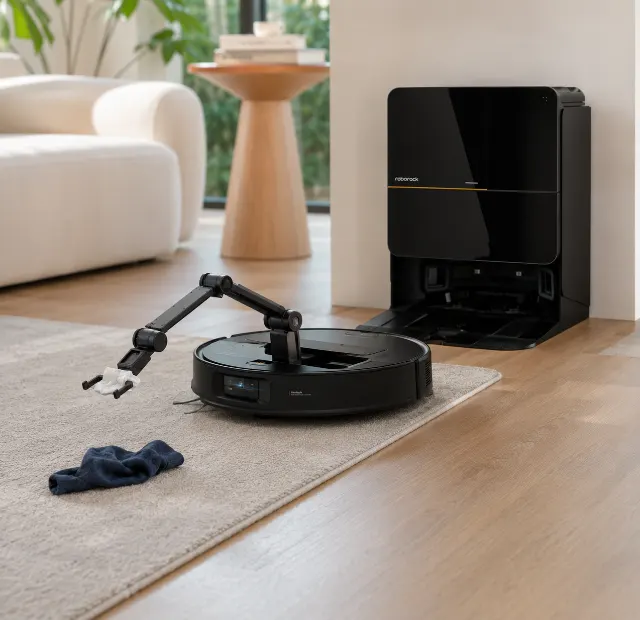
Roborock Saros Z70
★★★★★ ★★★★★ 4.2The Roborock Saros Z70's mechanical arm solves robot vacuums' oldest problem—dirty corners—but its long-term cost of ownership demands a close look.
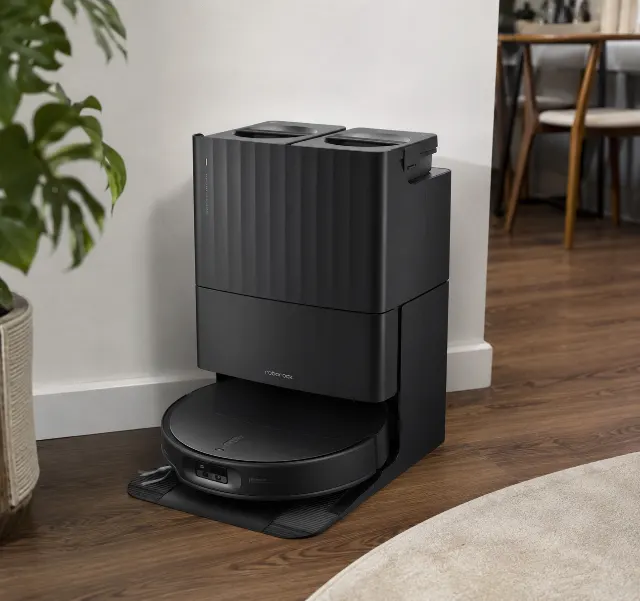
Roborock Qrevo Edge 2
★★★★★ ★★★★★ 4.2The Roborock Qrevo Edge 2's FlexiArm mop nearly perfects edge cleaning, but its AI still misidentifies thin cables in low light, a key tradeoff for its premium price.
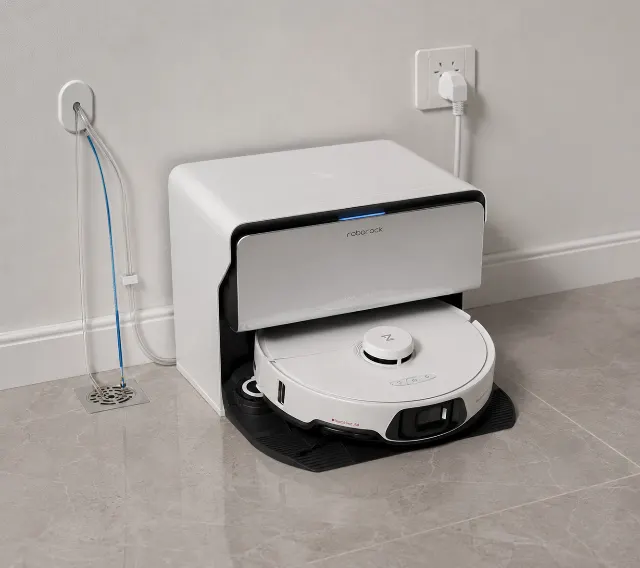
Roborock S8 MaxV Ultra
★★★★★ ★★★★★ 4.4The Roborock S8 MaxV Ultra delivers unmatched 10000Pa suction and corner-reaching mopping, but demands significant floor space and ongoing maintenance.
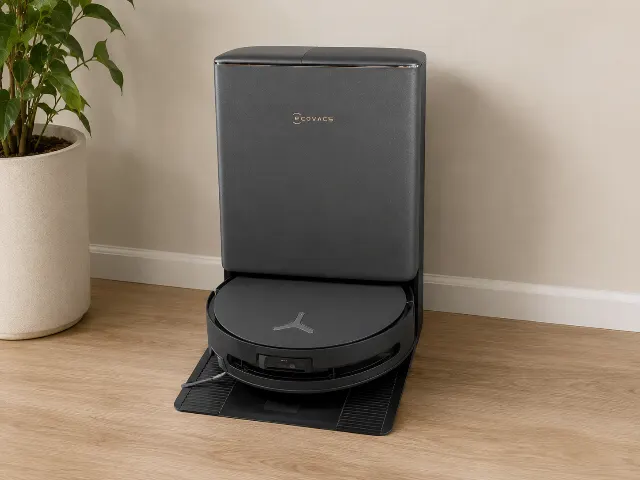
Ecovacs Deebot T90 Pro Omni
★★★★★ ★★★★★ 4.2Flagship roller-mop hybrid that kills the un-mopped edge gap with 30,000Pa suction — but the OMNI dock is bulky and consumables add up.
Eufy X10 Pro Omni
★★★★★ ★★★★★ 4.2The Eufy X10 Pro Omni delivers powerful, hands-off cleaning with impressive pet hair suction and mop-lifting, but its app can be finicky and long-term costs for consumables are a real factor.
NARWAL Flow 2 Robot Vacuum and Mop Combo
★★★★★ ★★★★★ 4.2The Narwal Flow 2's hot water mopping is genuinely effective on tough grime, but its object avoidance AI isn't as foolproof as premium rivals.

MOVA P10 Pro Ultra Gen 2
★★★★★ ★★★★★ 4.2The MOVA P10 Pro Ultra Gen 2 cleans brilliantly with hot water and an extendable mop, but its complexity and high upkeep demand more attention than a premium robot should.
Roborock Qrevo Curv 2 Flow 2026
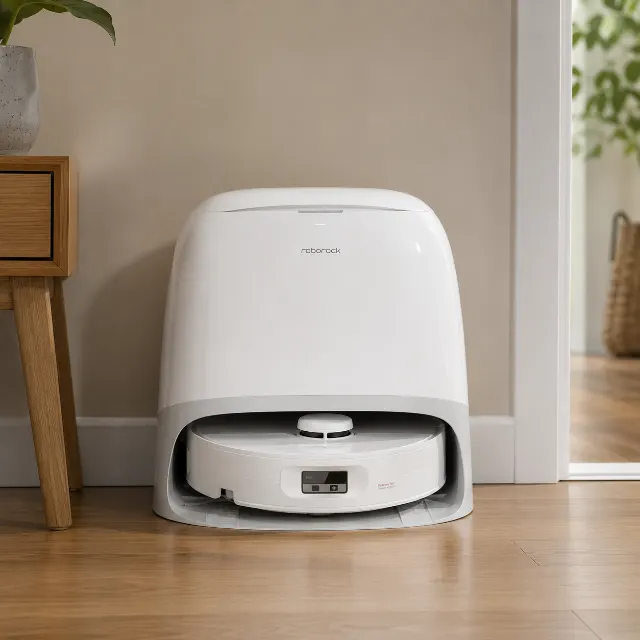
★★★★★ ★★★★★ 4.2The Roborock Qrevo Curv 2 Flow mopping is a step up from basic wet pads, but its roller system demands more upkeep than rivals for a less-than-perfect finish.
iRobot Roomba 505X Robot Vacuum & Mop Combo
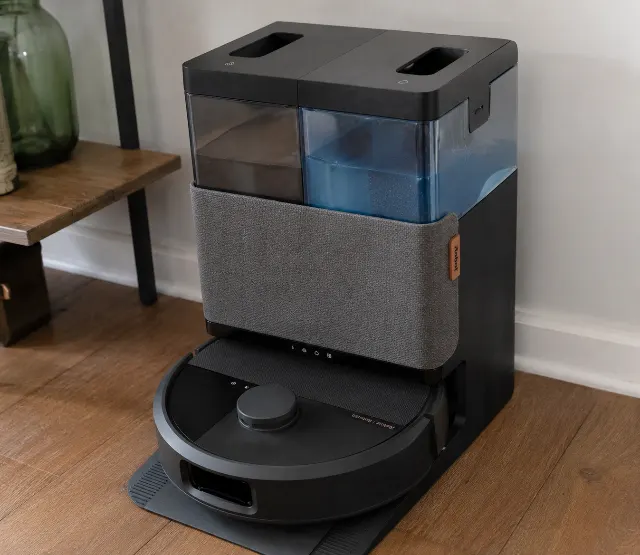
★★★★★ ★★★★★ 4.2The Roomba 505X Combo offers impressive edge-mopping and dock automation, but its long-term running costs and finicky obstacle AI demand careful consideration.

roborock Qrevo S5V Robot Vacuum and Mop
★★★★★ ★★★★★ 4.2The Roborock Qrevo S5V's edge mopping is genuinely effective, but its smart obstacle avoidance still stumbles on flat items like charging cables.
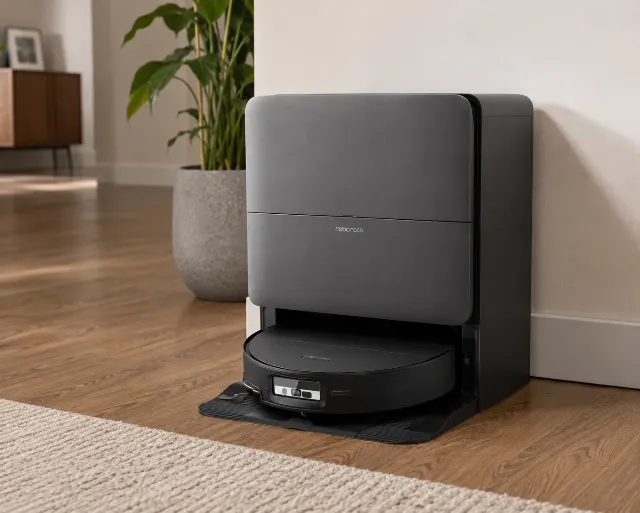
roborock Saros 20 Sonic Robot Vacuum and Mop
★★★★★ ★★★★★ 4.2The Roborock Saros 20 Sonic delivers exceptional hard-floor mopping and automation, but its carpet performance and high-maintenance dock are significant tradeoffs.
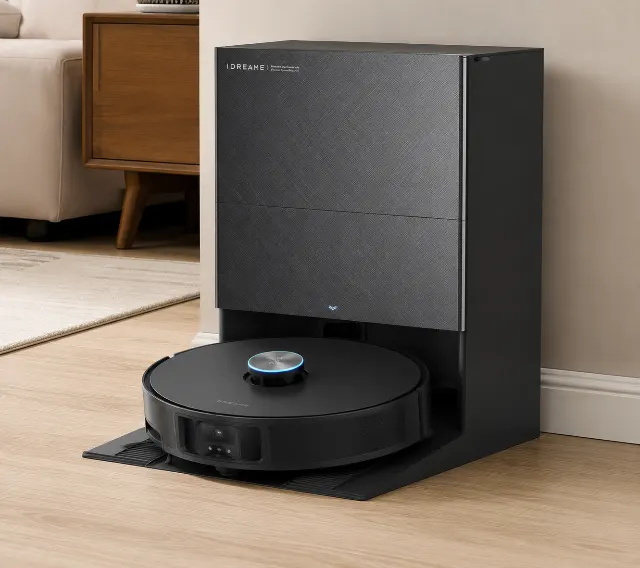
DREAME X60 Ultra Robot Vacuum and Mop
★★★★★ ★★★★★ 4.2The Dreame X60 Ultra delivers exceptional, near-automated mopping and vacuuming, but its true cost emerges in long-term maintenance and the app's complexity.

DREAME Matrix10 Ultra Robot Vacuum and Mop
★★★★★ ★★★★★ 4.2The Dreame Matrix10 Ultra's multi-mop system is a genuine leap for mixed-floor homes, but its app complexity and high cost demand a patient, tech-savvy owner.
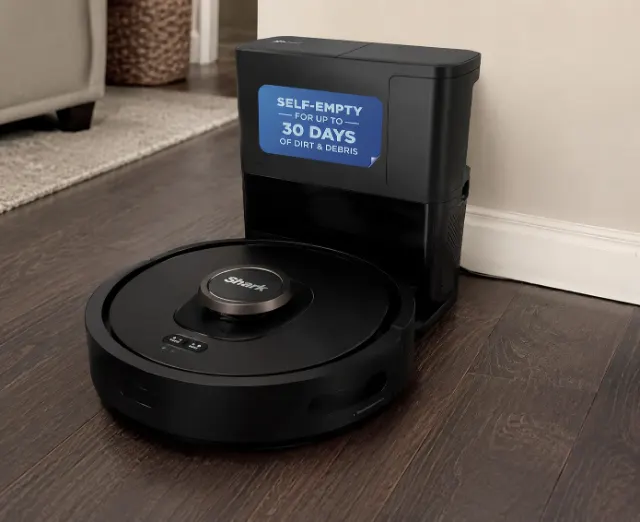
Shark AV2501AE AI Robot Vacuum
★★★★★ ★★★★★ 4.1The Shark AV2501AE is a powerful vacuum with an excellent self-empty base, but its 'AI' navigation fails to avoid common household obstacles like cords.
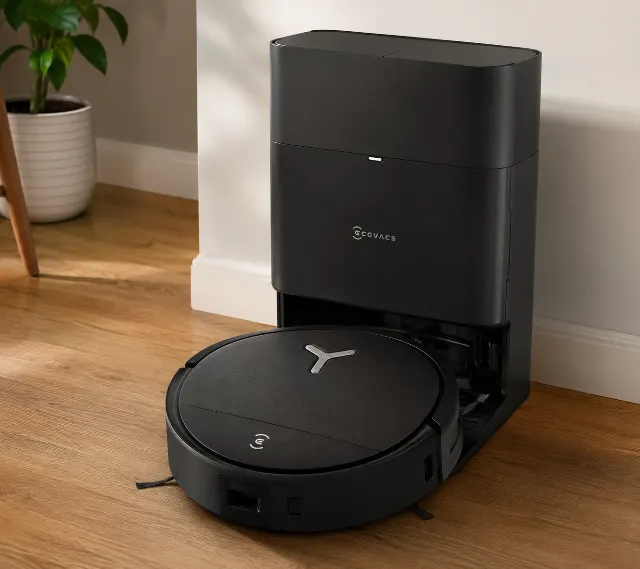
ECOVACS DEEBOT T80S Omni Robot Vacuum and Mop
★★★★★ ★★★★★ 4.2The Ecovacs T80S Omni delivers a powerful clean with its unique roller mop, but its overly cautious AI and large dock make it a specific, not universal, choice.
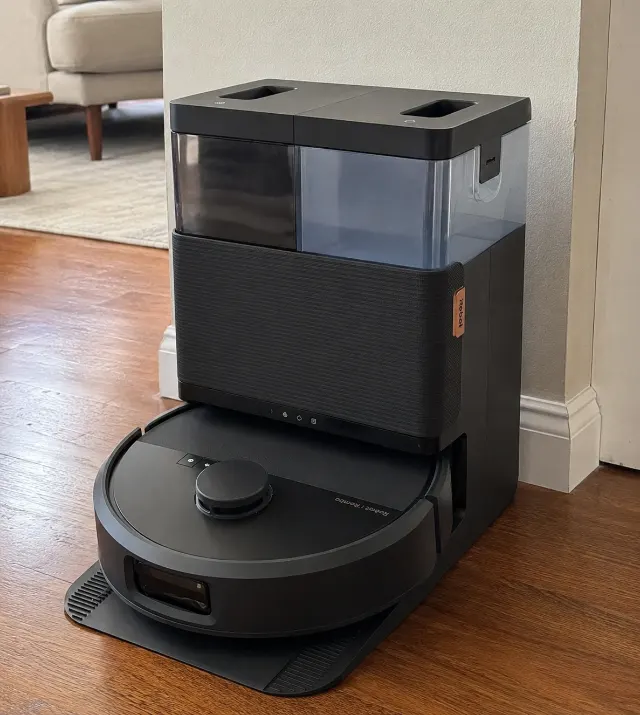
iRobot Roomba Plus 505 Combo Robot Vacuum & Mop
★★★★★ ★★★★★ 4.1The iRobot Roomba 505 Combo is a competent vacuum-mop hybrid whose self-washing dock is its main draw, but its mopping pressure and navigation fall short of top-tier rivals from Roborock and Dreame.
More guides
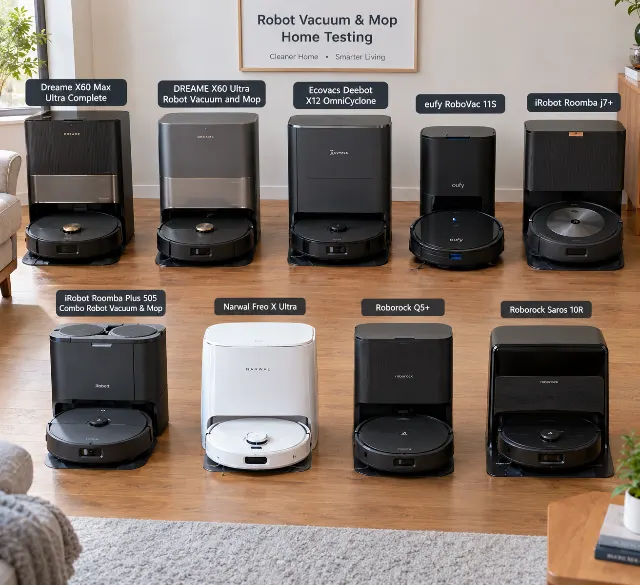
Best Robot Vacuum for Small Apartments
We researched the best robot vacuums for small apartments. Our 2026 picks prioritize compact docks, quiet operation, and under-furniture cleaning.
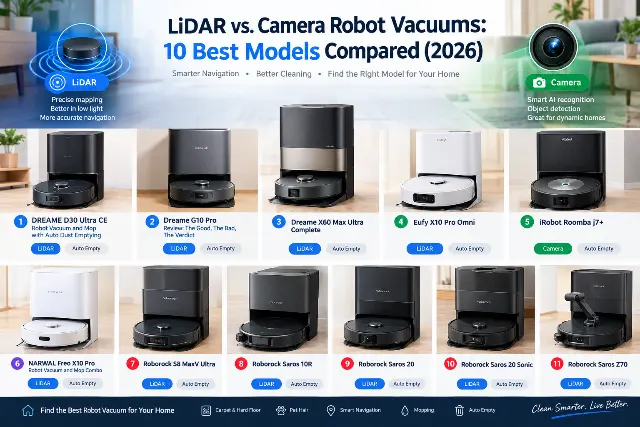
LiDAR vs. Camera Robot Vacuums: 10 Best Models Compared (2026)
Tired of your robot vacuum getting lost? We explain the real-world differences between LiDAR and camera (vSLAM) navigation, naming the best tech for your home, pets, and privacy.
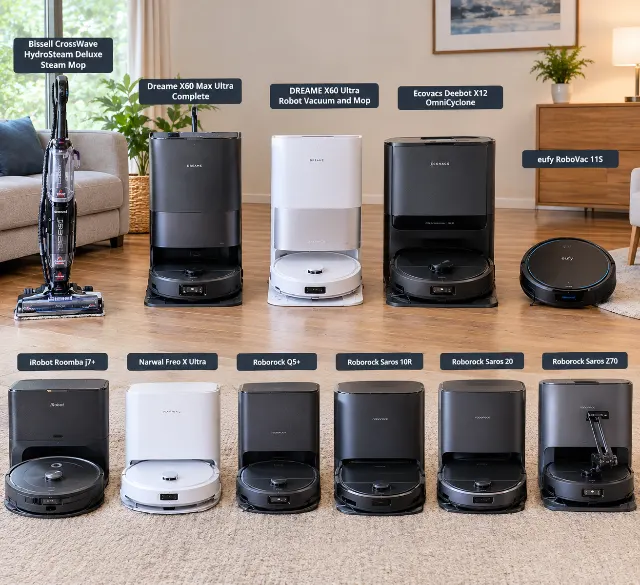
Robot Vacuum Trends 2026: What Changed This Year
Our expert 2026 guide to robot vacuum trends, technology, and top models. We name the best robot vacuums from Roborock, Dreame, and Narwal, and what to skip.