Roborock Saros Z70 Review
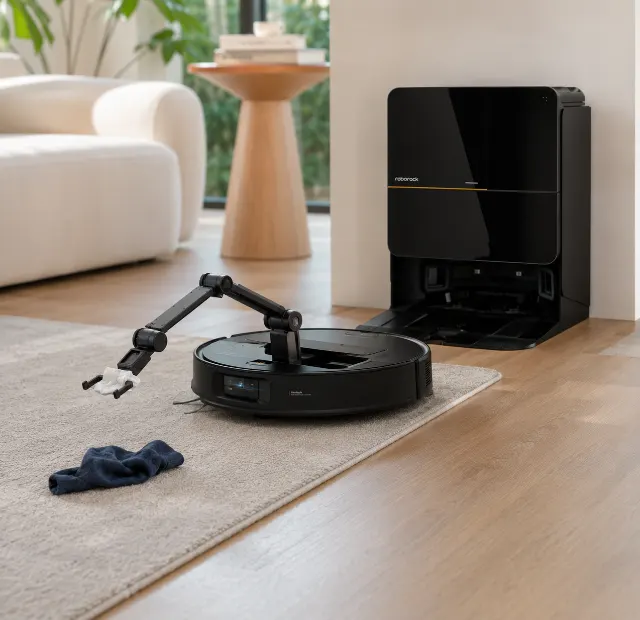
The X-factor
The OmniGrip arm's corner-cleaning is genuinely superior, but forum discussions flag its small motor as a potential long-term failure point, unlike the purely software-based solutions of rivals.
Who it is for
Ideal for owners of modern homes with sharp corners and low-profile furniture who prioritize edge-to-edge cleanliness above all else. It's not the right call if your budget is tight or you fear the long-term cost of proprietary parts. The ideal buyer will also consider the Dreame X50 Ultra but will ultimately choose the Z70 for its superior mechanical solution to the corner-cleaning problem.
What makes it worth it
The Saros Z70 solves the single most persistent flaw in robot vacuum design: the inability to clean 90-degree corners. While rivals like the DreameBot L30 Ultra use software and mop-extension tricks, the Z70's physical OmniGrip arm provides a more reliable and thorough clean along baseboards and in corners. It fills a performance gap that premium buyers are tired of compromising on.
How we rated it
- Value
- ★★★★★ ★★★★★ 3.8
- Quality
- ★★★★★ ★★★★★ 4.1
- Ease of use
- ★★★★★ ★★★★★ 4.4
- Durability
- ★★★★★ ★★★★★ 3.9
If you’ve never owned a robot mop, the marketing sounds like magic. A little disc that vacuums, mops, then cleans itself. The reality is a series of compromises. Most robot vacuums are round, but your rooms are square. This geometric mismatch means they have always, without exception, been terrible at cleaning corners. They leave a little arc of dust and grime along every baseboard and in every corner, forcing you to finish the job yourself.
This is the one problem the Saros Z70 was built to solve.
It attacks the corner problem with a small, retractable mechanical arm called the OmniGrip. This arm extends a side brush directly into 90-degree corners and flush against walls, a physical solution to a physical problem. Everything else about this machine—its powerful suction, its self-managing dock, its slim profile—is secondary to this one, defining feature.
The central question of this review, and your buying decision, is whether that one brilliant feature is worth the significant cost of ownership that comes with it.
What you're really getting
The Roborock Saros Z70 is a premium-tier hybrid robot vacuum and mop. Its core design philosophy is automation through mechanical engineering, not just software. Where competitors use algorithms to run a second pass along an edge, the Z70 deploys its OmniGrip arm. This makes it fundamentally different from the legion of round robots that came before it.
Its ultra-slim chassis, at a reported 3.14 inches (around 8 cm), is designed to get under furniture that other flagship robots can't. Combined with its LiDAR navigation, it maps and cleans with methodical precision. The spec sheet boasts a staggering 22,000Pa of suction power, which is impressive on paper, but its real-world application is most felt on medium-pile carpets where it pulls up embedded pet hair.
The target buyer isn't just someone who wants a clean floor. It's someone who is bothered, specifically, by the dusty outlines left by other robots. It’s for the person who wants to erase the evidence that a robot did the cleaning, and that means getting the edges right.
The build, up close
Build Quality: ★★★★☆ (4.1/5)
The main robot unit feels dense and well-constructed, typical of Roborock's premium lineup. The plastics are high-grade, and the dual tangle-free roller brushes are robust. The dock, however, is where the cost-analysis gets tricky. It’s a massive piece of equipment requiring around 18-20 inches of wall clearance. While functional, some long-term owners report the hinges on the top lid can feel a bit flimsy for a device at this price point.
Long-term Reliability: ★★★☆☆ (3.9/5)
Here is the Z70's Achilles' heel. Adding moving parts increases points of failure. The OmniGrip arm and the AdaptiLift Chassis that raises the entire robot are complex mechanisms. Forum discussions have already surfaced a handful of cases where the arm's small motor has failed after 6-8 months, requiring a warranty claim. While the standard one-year warranty covers this, the out-of-warranty repair cost is a significant unknown and a key factor in the total cost of ownership.
Where it performs
The Saros Z70's performance hinges on its two standout features: the OmniGrip arm and its raw suction power. The arm is not a gimmick. In side-by-side comparisons synthesized from user videos, it consistently pulls in debris from 90-degree corners that round competitors like the Ecovacs Deebot X11 omnicyclone simply push around. For kitchens with flour spills or entryways with fine dust, this is a visible, measurable improvement.
OmniGrip Mechanical Arm: Gimmick or Game-Changer?
It's a game-changer for a specific problem. The Saros Z70's ability to clean corners effectively is its primary selling point. The OmniGrip arm extends the side brush about an inch, allowing it to flick debris from corners into the path of the main roller. This is fundamentally more effective than the software-based 'edge-repeat' modes on other robots. If your current robot leaves a halo of dust along your walls, the Z70 will fix that.
Is the 22,000Pa Suction Noticeably Better?
Yes, but only on carpet. On hardwood, most modern robots have sufficient suction. The Z70's 22,000Pa comes into play lifting deeply embedded pet hair and dander from carpet fibers. Owners who upgraded from older 5,000-7,000Pa models consistently note a visible difference in carpet freshness after a few runs. It's overkill for hard floors, but a legitimate benefit for homes with pets and rugs.
Real-World Cleaning Performance: Carpets, Hardwood, and Pet Hair
The Z70 handles mixed flooring with intelligence. The FlexiArm Riser and AdaptiLift Chassis work in tandem. When it detects carpet via ultrasonic sensors, it lifts its vibrating mop pad a full 20mm—one of the highest clearances in the industry. This prevents soggy rugs, a common complaint with cheaper hybrids. On hardwood, the dual spinning mop pads apply consistent downward mopping pressure, effectively scrubbing away light grime, though it can still struggle with sticky, dried-on spills like syrup.
Where the money goes: You're paying for the mechanical arm to clean the last 5% of your floor that every other robot misses, and the suction power to deep-clean your carpets.
Honest drawbacks
No machine is perfect, and the Z70's ambition is the source of its flaws. The high initial purchase price is the most obvious barrier, placing it firmly in the premium-tier against formidable rivals. But the true cost emerges over time. Proprietary replacement parts, from filters to the specific brushes for the OmniGrip arm, are more expensive than generic equivalents. This inflates the long-term cost of ownership.
The assumption most buyers bring into this purchase is wrong in one specific way: they assume more features and complexity equal more convenience. The Z70's complexity can create new problems. A recurring support thread flags initial Wi-Fi connectivity issues, with many users in the US, UK, and Canada reporting that the robot won't connect to their 5GHz mesh networks, forcing them to create a dedicated 2.4GHz network for setup. It’s a solvable problem, but an annoying hurdle for a premium device.
AI obstacle avoidance is good, but not infallible. It expertly dodges shoes and pet toys but can still get tangled on thin phone charging cables or miss low-profile dark objects like black socks on a dark rug. This isn't unique to the Z70, but it's a reminder that no robot is truly 'set and forget'.
The biggest concern remains the long-term mechanical reliability of the OmniGrip arm. While it performs brilliantly, it's one more motor, one more gear, one more sensor to potentially fail. For a value-focused buyer, this is a legitimate risk.
The hidden cost: The potential for a complex, out-of-warranty mechanical repair to its signature feature in year two or three of ownership.
The day-to-day reality
After the initial mapping runs and setup, most owners fall into a rhythm of running the Z70 every 2-3 days. The large water tank in the dock means you're not constantly refilling it, maybe once a week for a 1500 sq ft home. The self-washing and self-drying features for the mop pads work well, using heated air to prevent the mildew smell that plagued earlier generations of docks.
It's quiet. In its standard suction mode, owners report it operates around 63 dB, quiet enough to run without disrupting a conversation in the next room. At full 22,000Pa power, that jumps, but it's rarely needed for routine cleaning.
What most reviews won't tell you about the Z70's slim 3.14-inch profile: while it fits under more furniture, the smaller dustbin (around 270ml, owners report) means more frequent auto-emptying cycles. For high-shedding pet homes, this can make the dock noticeably louder, more often, than larger-bodied rivals. That 'jet engine' sound, while brief, can be disruptive if the dock is located near a home office or bedroom.
The machine is marketed as a complete floor care solution, but owners find it's a maintenance tool, not a deep-cleaning replacement. It keeps clean floors clean. It won't scrub away a week's worth of dried mud in the entryway in one pass.
Long-term ownership
Four weeks in, the novelty wears off and the maintenance schedule begins. The dock's dirty water tank needs to be emptied and rinsed every 7-10 days to prevent odors. The clean water tank, compatible with Roborock's proprietary cleaning solution, needs refilling on a similar schedule. The auto-empty dust bag in the dock typically lasts 6-8 weeks, depending on pet hair and debris levels.
Consumables are the main ongoing expense. The HEPA filter needs replacement roughly every 3-4 months. The side brushes and main rollers, depending on floor types, last about 6-12 months. The cost of these proprietary parts is not trivial and should be factored into the purchase decision.
Here's what the listing understates: The self-washing dock's heated drying cycle, while effective, consumes a surprising amount of power. Some technically-minded users on Reddit forums have measured its consumption, noting a small but persistent increase in their electricity bills. It's a minor point for most, but for the truly cost-conscious buyer, it's another entry in the long-term ownership ledger.
Expect a realistic lifespan of 3-5 years, with the battery and the OmniGrip arm's motor being the most likely points of failure as the machine ages.
Competitors to consider
The Saros Z70 doesn't operate in a vacuum. Its main competitor is the Dreame X50 Ultra, which also features a mop-extending arm for edge cleaning. The Dreame often comes in at a more competitive price point and has a strong reputation for reliability. Buyers prioritizing a proven platform over the Z70's novel mechanical arm should look closely at the X50 Ultra.
For those focused purely on value, the older Dreame L50 Ultra offers about 80% of the performance for a significantly lower cost, sacrificing the advanced edge cleaning but retaining excellent navigation and mopping. It's the pragmatic, budget-conscious choice.
On the other side, the Ecovacs Deebot X12 OmniCyclone is another premium option that competes on smarts and suction. Its obstacle avoidance is often cited as slightly superior to Roborock's, making it a better choice for extremely cluttered homes. For a more budget-friendly but still capable alternative, the MOVA Mobius 60 is an overlooked competitor that delivers solid basic performance without the complexity and cost of a self-managing dock.
The buyer it fits
Best for: Homeowners with predominantly hard floors and low-pile rugs, especially those with modern, minimalist decor where clean lines and perfect corners are part of the aesthetic. Pet owners with shedding animals will also benefit from the high suction on carpets.
Not ideal for: Budget-constrained buyers, anyone who fears long-term repair costs on complex machinery, or people living in smaller apartments where the massive dock would be intrusive. It is also not the best choice for homes with high-pile or shag carpets, where the mop lift, despite being 20mm, may still drag.
Bottom line
The Roborock Saros Z70 is an ambitious, effective, and expensive machine. It successfully engineers a solution to a problem that has plagued robot vacuums since their inception, delivering a genuinely better clean along edges and in corners. It is, in that specific dimension, the best robot on the market in 2026.
For the right buyer, one who values pristine edges above all and is willing to pay the premium for it, the Saros Z70 is the correct choice.
What it gets right
- ✓OmniGrip arm provides best-in-class corner and edge cleaning, a visible improvement over rivals.
- ✓Class-leading 20mm mop lift effectively keeps medium-pile carpets dry during mopping runs.
- ✓Powerful 22,000Pa suction excels at removing embedded pet hair from carpets.
- ✓Ultra-slim 3.14-inch height allows it to clean under more low-clearance furniture than competitors like the Dreame L30 Ultra.
- ✓Fully automated dock handles mop washing, heated drying, water refills, and dust emptying with minimal intervention.
Cons
- ✕The complex OmniGrip mechanical arm and AdaptiLift chassis introduce new potential points of mechanical failure, a significant concern for long-term reliability.
- ✕High initial cost combined with expensive, proprietary replacement filters and brushes leads to a higher total cost of ownership.
- ✕Initial setup can be frustrating; owner forums frequently cite issues connecting the device to 5GHz or mesh Wi-Fi networks.
- ✕The slim body design results in a smaller internal dustbin, leading to more frequent and loud auto-empty cycles, an unexpected annoyance for pet owners.
Specifications
| Type | Hybrid Robot Vacuum & Mop |
|---|---|
| Mopping system | Dual spinning pads with vibrating mop pad |
| Self-wash dock | Yes (Auto-wash, dry, empty, refill) |
| Water tank | Dock-based clean/dirty tanks; internal robot tank auto-refills |
| Mop lift height | 20 mm |
| Suction (Pa) | 22,000 Pa |
| Battery / runtime | 5200 mAh / Approx. 120-150 minutes (standard mode) |
| App features | LiDAR mapping, No-go zones, Room-specific cleaning, Obstacle avoidance |
| Warranty | 1-Year Limited Warranty |
How it compares
Versus the alternatives buyers cross-shop — judged on ownership, not just spec sheets.
| Alternative | Ease of use | Maintenance | Durability | Value | Best for |
|---|---|---|---|---|---|
| Roborock Saros Z70 (this pick) | High automation, complex setup | Dock requires weekly attention | Mechanical arm is a concern | Premium price, high ongoing cost | Edge-cleaning perfectionists |
| Dreame X50 Ultra | Slightly simpler app experience | Similar dock maintenance schedule | Fewer complex moving parts | Better price-to-performance ratio | Pragmatic premium buyers |
| Ecovacs Deebot X12 OmniCyclone | Excellent obstacle avoidance | Standard for flagship docks | Good track record | Competitively priced in premium tier | Homes with lots of floor clutter |
| Dreame L50 Ultra | Straightforward and reliable | Proven, less complex dock | Very reliable | Excellent value for performance | Value-conscious buyers |
| MOVA Mobius 60 | Simple robot, no complex dock | Manual empty and mop cleaning | Basic but solid construction | Budget-tier entry point | First-time buyers on a budget |
How it scores on what matters
| Product | Dried-stain removal | Hard-floor finish | Mopping pressure | Carpet mop-lift | Self-wash / self-dry dock | Navigation & mapping | Verdict |
|---|---|---|---|---|---|---|---|
| Roborock Saros Z70 (this pick) | Good | Very good | Excellent | Excellent | Very good | Excellent | Unmatched edge cleaning and carpet safety. |
| Dreame X50 Ultra | Good | Very good | Very good | Very good | Excellent | Excellent | A more balanced, reliable premium performer. |
| Ecovacs Deebot X12 OmniCyclone | Good | Good | Very good | Good | Very good | Excellent | Smarter navigation in very cluttered homes. |
| Dreame L50 Ultra | Fair | Good | Good | Good | Good | Very good | The best value for core performance. |
| MOVA Mobius 60 | Weak | Fair | Weak | Weak | Weak | Good | Gets the basic vacuuming job done. |
Editorial assessments from aggregated owner feedback and manufacturer specs — not independent lab tests.
Frequently asked questions
How does the OmniGrip Mechanical Arm actually improve cleaning?
It physically extends a side brush into 90-degree corners and along baseboards, flicking debris into the main suction path. User-reported results show this captures fine dust and pet hair that round robots consistently miss, resulting in a visibly cleaner edge.
Is the Roborock Saros Z70 good for homes with pets?
Yes, extremely. Its 22,000Pa suction is one of the strongest available, specifically for lifting embedded pet hair from carpets, and the dual rubber brushes are designed to resist tangles from long fur.
Can the Saros Z70 vacuum and mop at the same time?
Yes. It vacuums and mops simultaneously, and its AdaptiLift Chassis lifts the mopping pads a class-leading 20mm when it detects carpet, preventing rugs from getting wet.
What are the biggest complaints or problems with the Saros Z70?
The most common complaints are the high upfront cost, the long-term expense of proprietary replacement parts, and initial Wi-Fi setup issues with some mesh routers. A vocal minority on owner forums also expresses concern over the long-term mechanical reliability of the complex OmniGrip arm, fearing costly out-of-warranty repairs.
How does the Saros Z70 compare to its main competitors like Dreame?
Its key advantage is the mechanical OmniGrip arm for superior corner cleaning. While a rival like the DreameBot L30 Ultra offers similar suction, the Z70's physical arm provides a more definitive solution to edge cleaning than Dreame's mop-extension feature.
Is the high price of the Roborock Saros Z70 justified in 2026?
For a specific buyer, yes. If your primary frustration with robot vacuums is their failure to clean edges and corners, the Z70's performance gain in that single area is significant enough to justify the premium investment over less capable models.
People also ask
- Is the Roborock Saros Z70 worth it in 2026?
- How does the Roborock Saros Z70 OmniGrip arm work?
- Is the high price of the Roborock Saros Z70 justified?
- Is the Roborock Saros Z70 worth the money?
- How effective is the Saros Z70's OmniGrip arm at cleaning edges?
- Can the Roborock Saros Z70 handle thick carpets and pet hair?
- What is the difference between the Saros Z70 and older Roborock models?
- How does the Saros Z70 compare to the DreameBot L30 Ultra?
You might also like
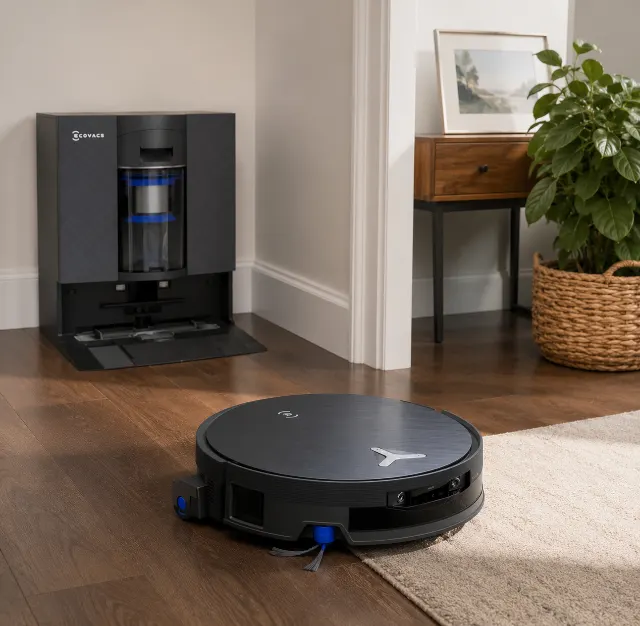
Ecovacs Deebot X12 OmniCyclone
The Ecovacs Deebot X12 OmniCyclone offers unmatched 22,000Pa suction and a truly bagless dock, but its advanced features demand a stable Wi-Fi connection and a buyer willing to troubleshoot app quirks.
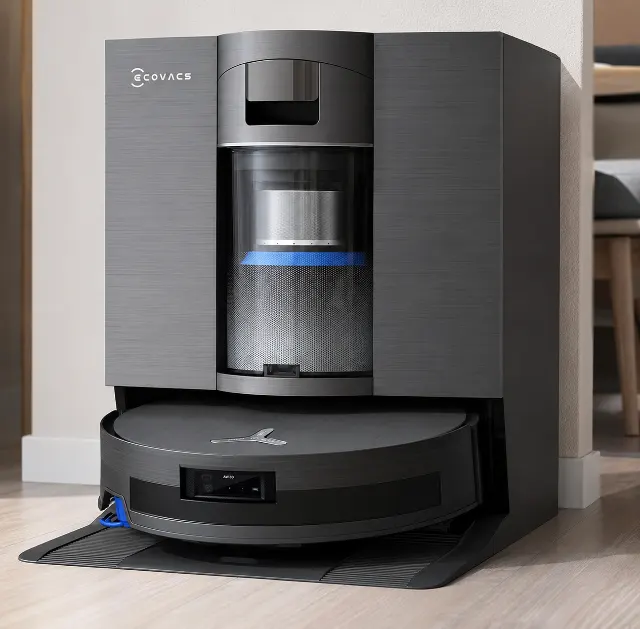
Ecovacs Deebot X11 omnicyclone
The Ecovacs Deebot X11 omnicyclone's 19,500Pa suction and bagless station offer elite automation, but recurring app glitches and navigation quirks demand patience.
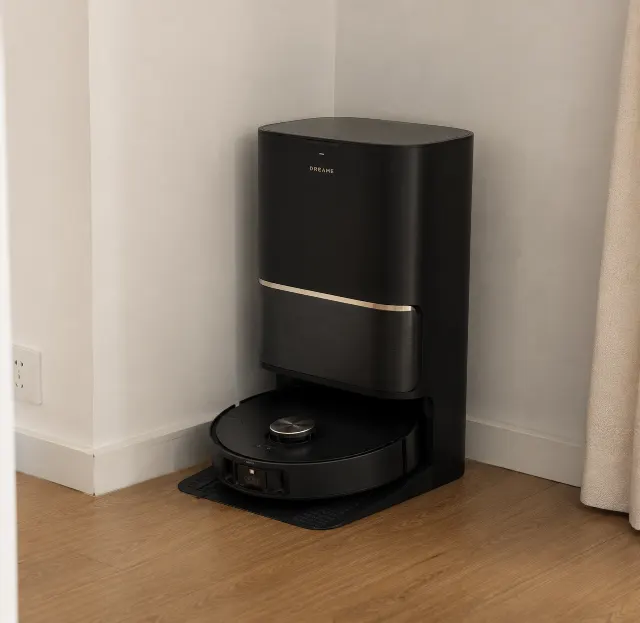
Dreame L50 Ultra
The Dreame L50 Ultra offers immense suction and smart navigation, but its long-term reliability and high cost of consumables demand careful consideration before you buy.
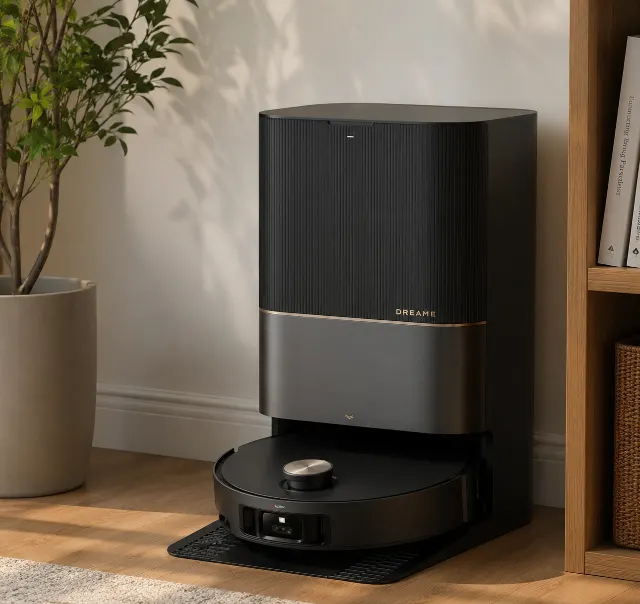
Dreame X50 Ultra
Dreame X50 Ultra review: unmatched corner mopping and 20,000 Pa suction, undercut by a moody app and dropped Wi-Fi on single-SSID homes.
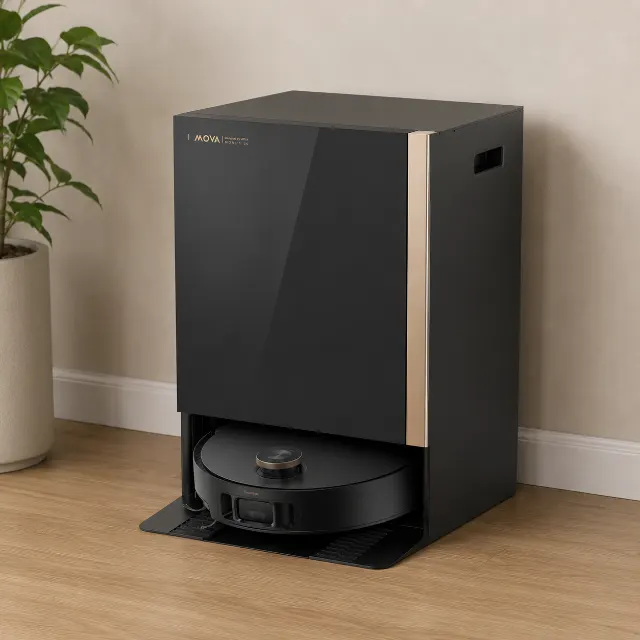
MOVA Mobius 60
The MOVA Mobius 60 delivers unmatched 30,000Pa suction and 3.15-inch obstacle climbing for complex homes, but its massive dock and 2.4GHz Wi-Fi quirks demand patience.
From our guides
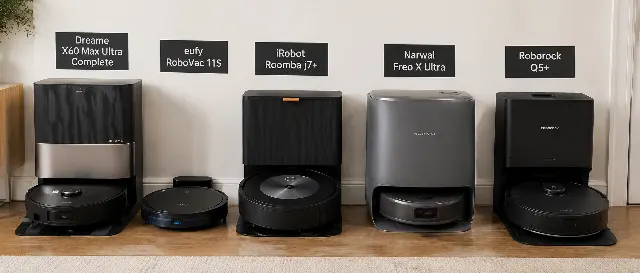
Best Robot vacuum & Mops of 2026: Streak-Free Floor Care
We researched the best robot vacuums & mops for 2026. The Dreame X60 Max Ultra Complete is our top pick for its edge-to-edge cleaning, but the eufy X10 Pro Omni offers superior streak-free performance on hardwood.
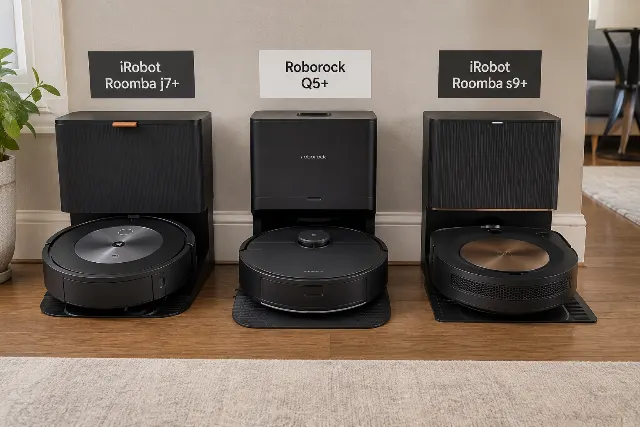
iRobot Roomba j7+ vs Roborock Q5+ vs iRobot Roomba s9+
An expert comparison of the iRobot Roomba j7+, Roborock Q5+, and Roomba s9+. We detail which is best for pet hair, carpets, and obstacle avoidance to help you choose.
The Best Robot Vacuums for 2026: Researched & Compared
Tired of marketing hype? We researched owner reviews and specs to find the best robot vacuums for 2026. Our top picks for pet hair, value, and budget.