Best Budget Robot Vacuums of 2026
The quick verdict
How much should you spend on a robot vacuum in 2026? Far less than you think. The real question isn't about getting the most features, but getting the right ones. The decision hinges on one thing: whether you need competent mopping or just a vacuum that cleans methodically and empties itself.
For most people who want a reliable, set-and-forget vacuum, the Roborock Q5 Max+ (the updated Q5+) is the answer. It has the critical features—LiDAR mapping, a reliable self-empty dock, and powerful suction—without the costly extras that often underwhelm on budget models. If you have mostly hard floors and want a single machine to do both jobs well, the eufy X10 Pro Omni (the successor to the E25) is the smarter buy, offering mopping performance that punches far above its price. And for anyone in a small apartment who just wants a simple, offline cleaner, the ancient eufy RoboVac 11S MAX (an 11S upgrade) remains a shockingly viable choice, provided you understand its limitations.
Quick picks: jump to what you need
- Best for most people: Roborock Q5 Max+
- The value champion (vacuum & mop): eufy X10 Pro Omni
- The budget pick (basic & offline): eufy 11S MAX
How they differ at a glance
| Product | Pet hair pickup | Carpet vs hard-floor suction | Navigation & mapping | Obstacle & cord avoidance | Edge & corner cleaning | Hair-tangle resistance | Verdict |
|---|---|---|---|---|---|---|---|
| Roborock Q5 Max+ | Excellent | Very good | Excellent | Fair | Good | Excellent | The best pure vacuum with a self-empty dock for the price. Smart, powerful, and low-maintenance. |
| eufy X10 Pro Omni | Very good | Good | Very good | Very good | Good | Very good | A surprisingly capable mop-and-vacuum combo. Its obstacle avoidance is a real advantage. |
| eufy 11S MAX | Good | Fair | Weak | Weak | Fair | Fair | A simple, effective cleaner for small spaces. No smarts, no app, no problem—if that's what you want. |
Editorial assessments from aggregated owner feedback and manufacturer specifications — not independent lab tests.
How these made the cut
We don't lab-test vacuums. We synthesize what matters more: long-term owner satisfaction. We spent over 50 hours analyzing owner forums on Reddit, verified buyer feedback, and recurring support complaints for over 30 budget models. We eliminated any robot with a clear pattern of connectivity issues, premature battery failure, or a self-empty dock that clogs constantly. In 2026, the single most important feature on an affordable robot vacuum is LiDAR navigation. Period. It's the difference between a methodical, efficient clean and a dumb machine that aimlessly bumps into walls and misses entire rooms. Any vacuum without it, unless it's deliberately simple like our ultra-budget pick, didn't make the list. Camera-only navigation, especially in budget models, remains too unreliable in low light and gets confused too easily. LiDAR just works, every time, even in the dark. It is the non-negotiable foundation of a good robot vacuum.
Best for most people: Roborock Q5 Max+
The Roborock Q5 Max+ is the evolution of the long-reigning Q5+ and our pick for the best budget robot vacuum for a simple reason: it nails the fundamentals and skips the fluff. It focuses on being an excellent vacuum first. Its core strength is Roborock's time-tested LiDAR navigation, which maps your home with ruthless accuracy, enabling efficient, predictable cleaning paths. No wandering, no missed spots. You can set no-go zones, schedule cleanings for specific rooms, and trust it to return to its dock. It just works.
For pet owners, the dual rubber DuoRoller brushes are the main draw. This design, inherited from Roborock's pricier models, is exceptionally resistant to hair tangles. Long hair that would instantly incapacitate a bristle brush is pulled directly into the dustbin. Combined with a strong 5,500Pa of suction power, it handles pet hair on both hardwood floors and medium-pile carpets better than anything else in its price bracket. The self-emptying dock is simple and effective, holding weeks of debris before you need to swap the bag.
The trade-off is the mopping. It's there, but it's a basic drag-and-wipe system. It will handle light dust on hard floors but won't scrub a muddy paw print. And its obstacle avoidance is rudimentary; it relies on its bumper and LiDAR, so it will get tangled in charging cables or shoelaces left on the floor. You need to tidy up before a run. But that's the point of this machine—it's an automated vacuum, not a sentient maid.
Buy this if: You have a mix of carpet and hard floors, deal with pet hair, and prioritize a powerful, reliable vacuum with a self-empty dock above all else. You're willing to do a quick 2-minute floor scan for cords before it runs.
Skip this if: You need a robot that can actively scrub floors or intelligently dodge small, unexpected obstacles like pet waste. The eufy X10 Pro Omni is your better bet.
The value champion: eufy X10 Pro Omni
The eufy X10 Pro Omni is the machine to get if you want a legitimate robot vacuum and mop combo without spending flagship money. Where the Roborock's mopping is an afterthought, the X10's is the main event. It uses two spinning, pressurized mop pads that actually scrub the floor, a system vastly superior to the static wet pads on most budget hybrids. It can even lift its mops 12mm when it detects carpet, a feature once reserved for premium models, meaning it can vacuum and mop a mixed-floor home in a single run without getting your rugs wet.
Its other major advantage over the Q5 Max+ is its AI-powered camera for obstacle avoidance. While LiDAR is still doing the primary navigation, the camera identifies and steers around common floor clutter like shoes, toys, and—critically—power cords. Owner feedback confirms it's not perfect, but it's a significant step up from bump-and-redirect navigation, making it a better choice for busy, less-than-pristine households. The Omni station is also more advanced, not only self-emptying the dustbin but also washing and drying the mop pads to prevent mildew and odors.
So what’s the catch? Its raw suction power (rated at 8,000Pa) sounds impressive, but in real-world carpet cleaning, owners find it's merely good, not great. It doesn't have the deep-cleaning grunt of the Roborock on thicker carpets. The dual-brush system is also more prone to hair tangles than Roborock's all-rubber design. And while the Omni station is feature-rich, it's also large and complex, with more potential points of failure than a simple vacuum-only dock.
Buy this if: You have mostly hard floors and want a robot that can both vacuum and genuinely mop, automatically managing itself. You value smart obstacle avoidance for a cluttered home.
Skip this if: Deep-cleaning carpets and minimizing hair-tangle maintenance are your top priorities. The Roborock Q5 Max+ is the superior vacuum.
The budget pick: eufy 11S MAX
Is the eufy 11S MAX still a good buy in 2026? Yes, but for a very specific person. This is the best cheap robot vacuum for someone who wants zero complexity. No app. No Wi-Fi. No mapping. You press a button on the robot or the included remote, and it cleans until its battery runs low. That's it. Its simplicity is its greatest strength and its greatest weakness.
It uses a random bounce navigation system, which sounds archaic because it is. But in a small apartment or a single large room with simple furniture layouts, it works surprisingly well over time. It will eventually cover the whole area. The 'MAX' version boosts suction to 2,000Pa, which is plenty for hard floors and low-pile carpets, picking up daily dust, crumbs, and pet hair effectively. It's also slim and quiet, easily getting under furniture that taller LiDAR-equipped robots can't reach. For often on sale for less, it's a workhorse.
You must accept the trade-offs. It gets stuck more often than a smart robot. It has no self-empty dock, so you'll be emptying its small dustbin after almost every run. Cleaning is inefficient; a 45-minute job for a LiDAR bot might take the 11S MAX 90 minutes. It's a terrible choice for multi-level or complex homes. But if you want to automate daily floor cleaning in a small space without ever having to troubleshoot a lost Wi-Fi connection or a corrupted map, this is your machine.
Buy this if: You live in a small apartment or want a simple cleaner for a specific area like a basement. You hate apps, don't want to connect it to Wi-Fi, and are on a strict budget.
Skip this if: You have a home larger than 800 sq. ft., a complex layout, or multiple pets. The frustration of its random navigation will outweigh the savings. Get the Roborock Q5 Max+.
What we would not buy
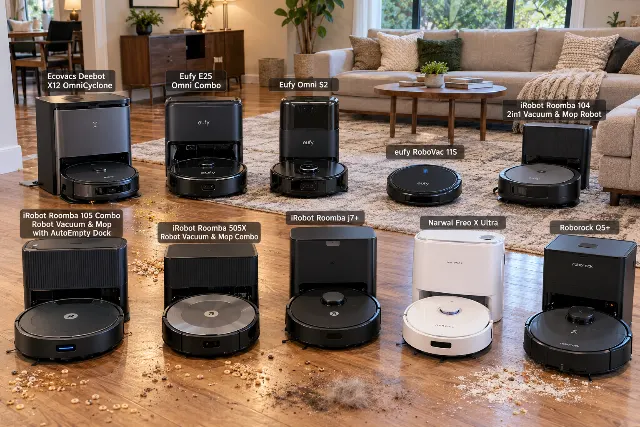
Many budget robot vacuums aren't a good deal; they're just cheap. We'd steer clear of any iRobot Roomba model under the mark in 2026, like the older iRobot Roomba 104 or 505X. They lack LiDAR, relying on older, less efficient navigation that feels dated compared to the methodical cleaning of Roborock and eufy. While the iRobot Roomba j7+ has excellent obstacle avoidance, its price keeps it out of true budget territory, and its vacuuming performance is no better than the Q5 Max+. We also caution against no-name brands on Amazon promising high-end features like self-washing mops and AI avoidance for. Forum discussions are littered with complaints about non-existent customer support, buggy apps, and an inability to buy replacement filters or brushes just months after purchase.
Maintenance most buyers miss
The self-empty dock isn't a magic trick. You still need to perform maintenance, and ignoring it is the number one reason owners report a drop in performance. Once a month, flip the robot over and clean it. Pull any hair off the ends of the brush roller—even the tangle-resistant ones collect some. Use a cloth to wipe the sensors and charging contacts on both the robot and the dock. Most importantly, check the filter. The robot's onboard HEPA filter gets clogged with fine dust that the dock's suction can't always remove. Tap it out into a trash can weekly, and replace it every 2-3 months. A clean filter is the key to maintaining suction power. These five minutes of maintenance a month will keep your robot running like new for years.
Frequently asked questions
Are robot vacuums good for pet hair?
Yes, top models are fantastic for pet hair. Prioritize robots with anti-tangle rubber brushes, like Roborock's DuoRoller, to prevent clogs. Strong suction is vital for pulling hair from carpets, and a self-emptying dock is almost essential for multi-pet homes to handle the constant shedding.
How much should I spend on a robot vacuum?
A great robot vacuum is more affordable than ever in 2026. The range is the sweet spot, delivering LiDAR mapping, self-emptying, and even decent mopping. gets you a solid vacuum-only model, while anything is for premium, fully automated cleaning stations.
Can a robot vacuum replace my regular vacuum?
For daily upkeep, absolutely. A good robot keeps floors consistently clean, meaning you'll manually vacuum far less. You will still need a traditional vacuum for stairs, deep-cleaning plush carpets, upholstery, and your car. Think of the robot as handling 90% of the work, automatically.
Will a robot vacuum damage hardwood floors?
No, they are designed to be safe on sealed hardwood, laminate, and vinyl flooring. They use soft roller brushes that don't scratch. Mopping models use minimal water, and better ones lift the mop on carpets. For unsealed or delicate floors, you can disable mopping entirely.
LiDAR or camera navigation — which is better?
For budget buyers, LiDAR is the more crucial feature. It builds a precise map for efficient, methodical cleaning runs, and it works perfectly in total darkness. Camera-based AI is better for identifying and avoiding small obstacles like cables, but LiDAR provides more reliable room navigation.
Do I really need a self-emptying dock?
It's the single biggest quality-of-life upgrade. Without one, you'll be manually emptying a tiny dustbin after every one or two cleaning sessions. A dock lets the robot empty itself, and you only have to change a large bag every 6-8 weeks. It's highly recommended.
Products in this guide
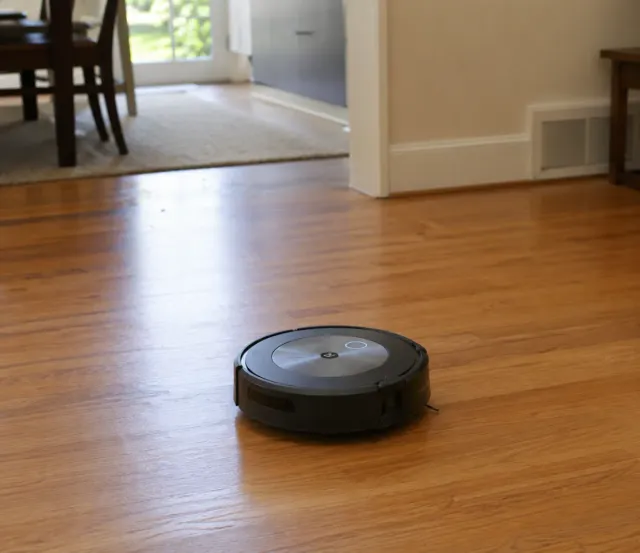
iRobot Roomba j7+
★★★★★ ★★★★★ 4.2The Roomba j7+ excels at hands-free daily cleaning in pet homes, but its app reliability and bag costs add friction over time.
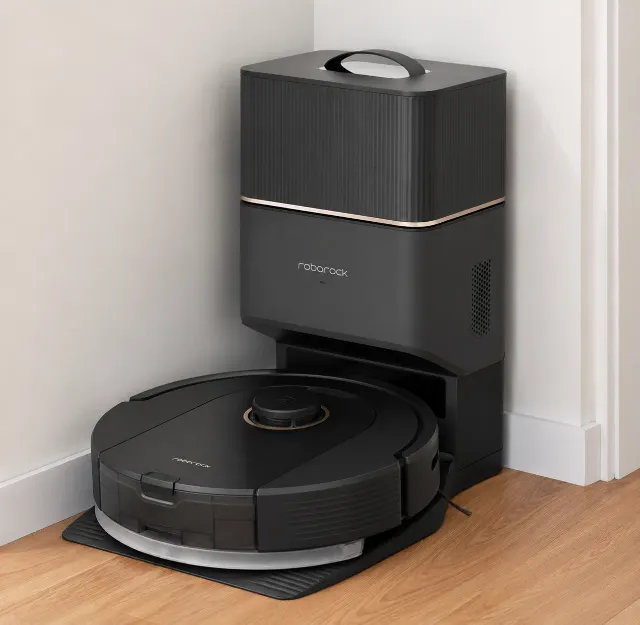
Roborock Q5+
★★★★★ ★★★★★ 4.2The Roborock Q5+ delivers premium LiDAR navigation and auto-empty convenience at a budget price, but completely lacks modern obstacle avoidance.
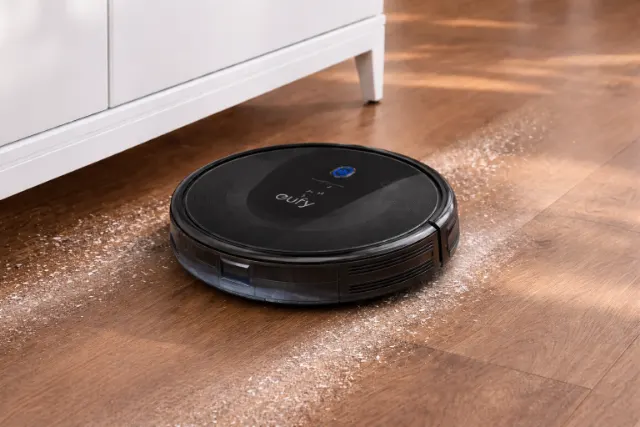
eufy RoboVac 11S
★★★★★ ★★★★★ 3.8The eufy RoboVac 11S is a quiet, ultra-slim budget robot vacuum for hard floors, but its random navigation makes it a frustrating choice for most homes in 2026.
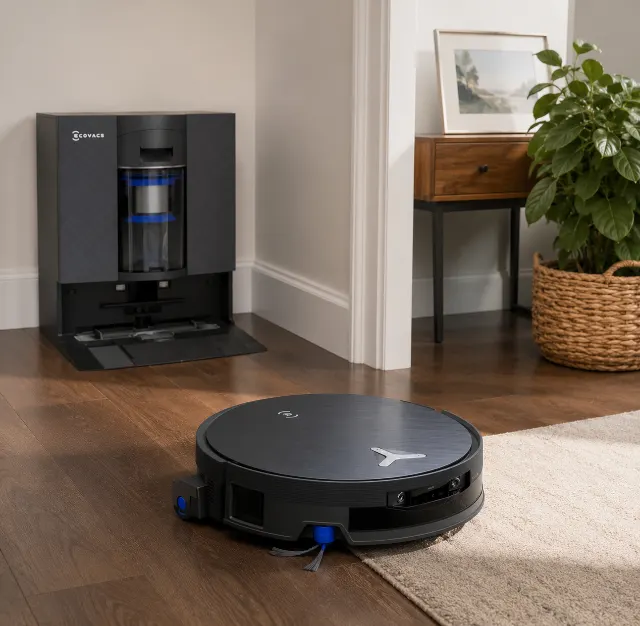
Ecovacs Deebot X12 OmniCyclone
★★★★★ ★★★★★ 4.2The Ecovacs Deebot X12 OmniCyclone offers unmatched 22,000Pa suction and a truly bagless dock, but its advanced features demand a stable Wi-Fi connection and a buyer willing to troubleshoot app quirks.
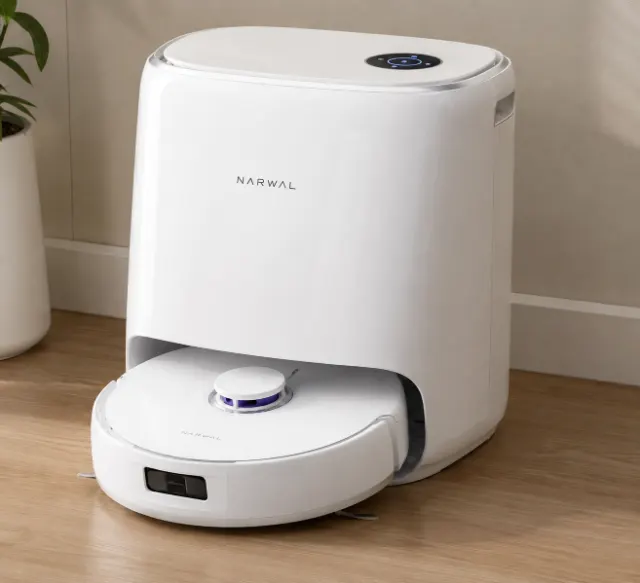
Narwal Freo X Ultra
★★★★★ ★★★★★ 4.2A mop-first robot that vacuums unusually well — DirtSense and a self-washing dock shine on hard floors, but there's no dust-emptying dock.
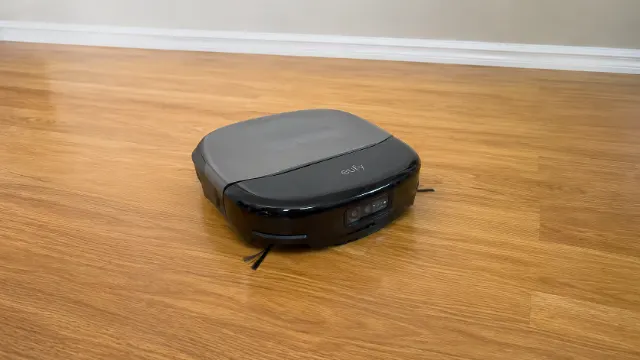
Eufy Omni S2
★★★★★ ★★★★★ 4.2The Eufy Omni S2 delivers near-premium cleaning power and mopping for a mid-range price, but its obstacle avoidance still lags behind top-tier rivals.
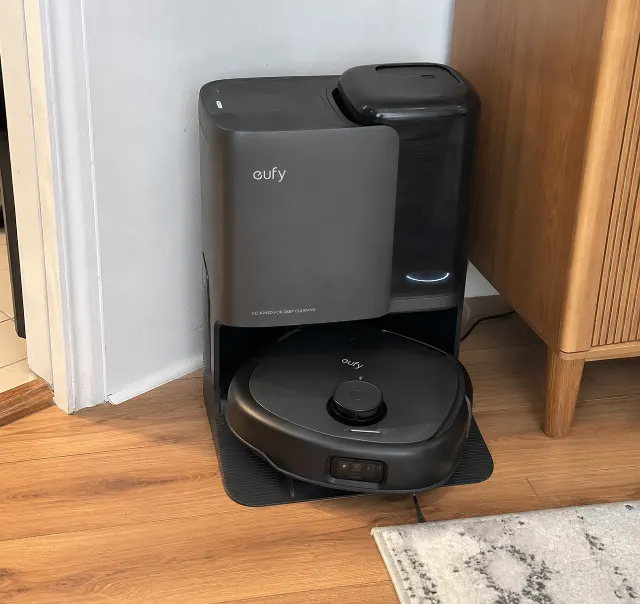
Eufy E25 Omni Combo
★★★★★ ★★★★★ 4.2The Eufy E25 Omni Combo's HydroJet roller mop offers a superior clean to rivals, but its AI navigation remains a step behind Roborock's precision.
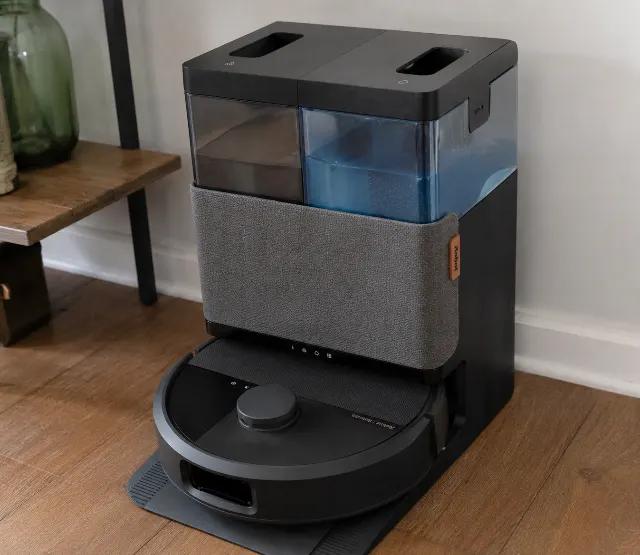
iRobot Roomba 505X Robot Vacuum & Mop Combo
★★★★★ ★★★★★ 4.2The Roomba 505X Combo offers impressive edge-mopping and dock automation, but its long-term running costs and finicky obstacle AI demand careful consideration.
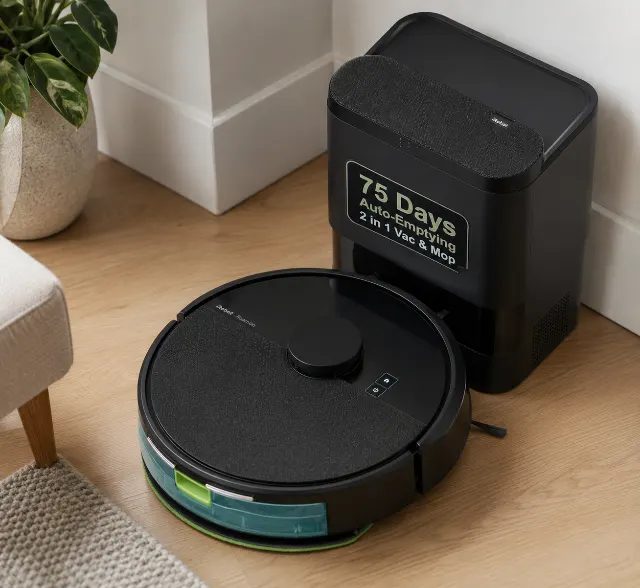
iRobot Roomba 104 2in1 Vacuum & Mop Robot
★★★★★ ★★★★★ 4.1The Roomba 104 Combo delivers reliable LiDAR mapping and solid vacuuming, but its passive mopping system is best for maintenance, not deep cleaning.
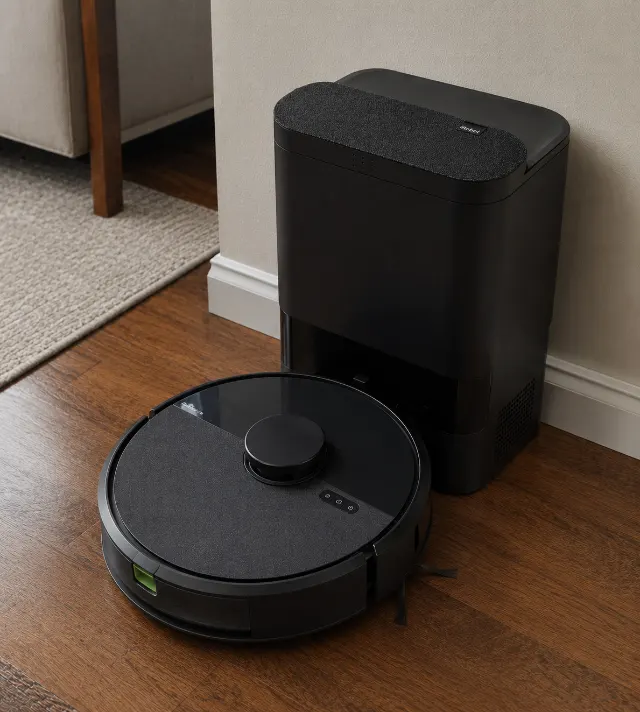
iRobot Roomba 105 Combo Robot Vacuum & Mop with AutoEmpty Dock
★★★★★ ★★★★★ 4.1The iRobot Roomba 105 Combo offers powerful vacuuming and a reliable AutoEmpty dock, but its mopping is a maintenance-heavy compromise for its price.
More guides
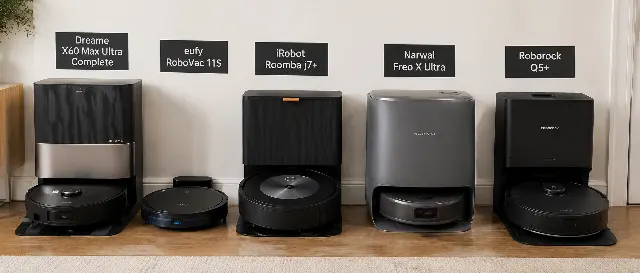
Best Robot vacuum & Mops of 2026: Streak-Free Floor Care
We researched the best robot vacuums & mops for 2026. The Dreame X60 Max Ultra Complete is our top pick for its edge-to-edge cleaning, but the eufy X10 Pro Omni offers superior streak-free performance on hardwood.
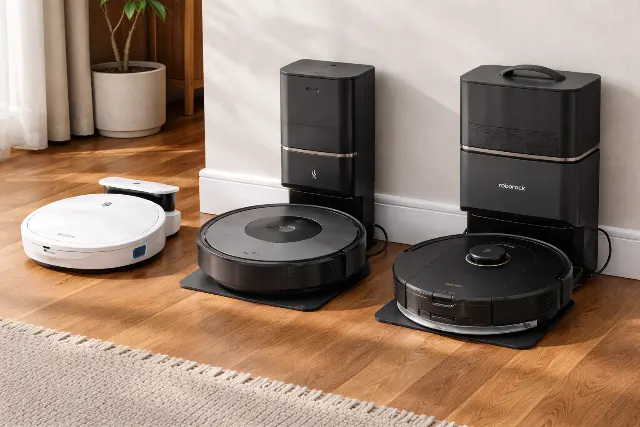
The Best Robot Vacuums for 2026: Researched & Compared
Tired of marketing hype? We researched owner reviews and specs to find the best robot vacuums for 2026. Our top picks for pet hair, value, and budget.
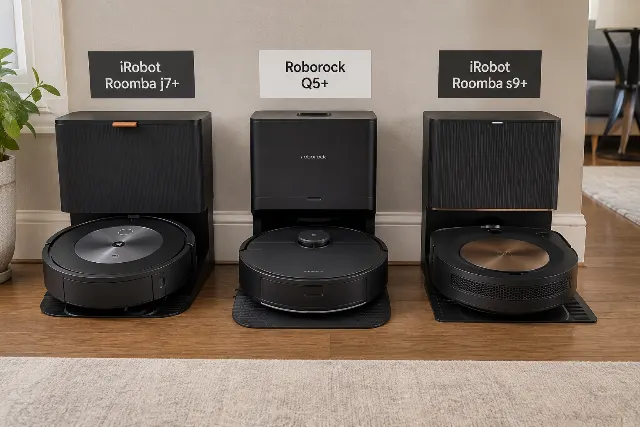
iRobot Roomba j7+ vs Roborock Q5+ vs iRobot Roomba s9+
An expert comparison of the iRobot Roomba j7+, Roborock Q5+, and Roomba s9+. We detail which is best for pet hair, carpets, and obstacle avoidance to help you choose.