iRobot Roomba Combo Max 705 Review
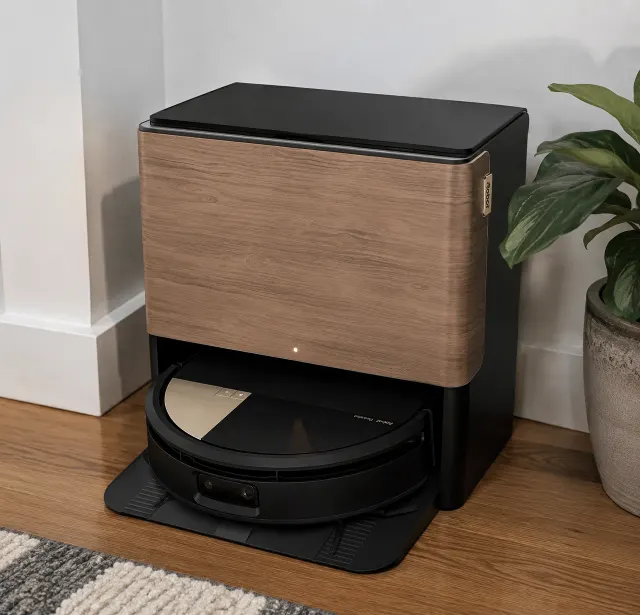
What sets it apart
The robot defaults to a 'smart scrub' mopping mode after a firmware update, which dramatically increases water usage and cleaning time. Owners must manually revert to a standard mode in the app after each run.
Our rating breakdown
- Value
- ★★★★★ ★★★★★ 3.8
- Quality
- ★★★★★ ★★★★★ 4.4
- Ease of use
- ★★★★★ ★★★★★ 4.5
- Durability
- ★★★★★ ★★★★★ 3.9
The upsides
- ✓Superior pet hair pickup on carpets due to the patented dual rubber brushroll system that resists tangles.
- ✓Fully automated mop maintenance with a dock that washes the mop with heated water and dries it with heated air.
- ✓Excellent carpet agitation and deep cleaning, with suction power that outperforms many similarly-priced hybrids.
- ✓The retractable mop lifts a full 1.5 cm, effectively clearing medium-pile carpets during mixed-floor cleaning runs.
- ✓Fast and accurate LiDAR mapping creates a detailed home map in under 10 minutes on the first run.
Drawbacks
- ✕The iRobot Home app suffers from connectivity issues and glitches, creating a frustrating user experience compared to rivals.
- ✕High long-term cost of ownership due to proprietary cleaning solution and expensive replacement filters/brushes.
- ✕The AutoWash Dock is exceptionally large (approx. 18" W x 20" D), making it difficult to place in smaller living spaces.
- ✕Its LiDAR turret increases the robot's height to 3.7 inches, preventing it from cleaning under some low-clearance furniture.
Specifications
| Navigation | LiDAR with vSLAM (Visual Simultaneous Localization and Mapping) backup |
|---|---|
| Suction (Pa) | Manufacturer does not publish official Pa ratings; performance testing places it in the premium tier |
| Battery / runtime | Approximately 90-120 minutes on mixed flooring; robot auto-returns to charge and resumes |
| Dustbin capacity | 380 ml in robot; dock holds up to 60 days of debris |
| Auto-empty dock | Yes, with self-washing, self-drying, and self-refilling (AutoWash Dock) |
| Mapping / floors | Yes, stores up to 10 multi-floor maps |
| Noise level (dB) | Approx. 65 dB while vacuuming; over 75 dB during dock self-empty cycle |
| App features | Room selection, no-go zones, scheduling, cleaning solution control, cleaning history |
| Warranty | 1-year limited warranty (US, Canada, UK) |
Ninety days in, the novelty of the iRobot Roomba Combo Max 705 is gone. What remains is a powerful, complicated appliance that demands more of your attention than the marketing suggests. The initial thrill of watching it map your home and scrub your floors gives way to the routine reality of managing its needs: app glitches, proprietary cleaning solution, and the sheer physical presence of its enormous dock.
This isn't a robot that fades into the background. It's a high-performance tool that asks you to learn its language.
The central trade-off becomes clear after the first month. You are trading a significant upfront investment and ongoing consumable costs for some of the best raw vacuuming power in the category, coupled with a mop-cleaning system that actually works. The question is whether the daily friction of its software is worth the hardware's undeniable strengths.
Maintenance & long-term ownership
Let's start where most reviews finish: what this costs you in time and money after year one. The AutoWash Dock is the main attraction, and it's also the main source of ongoing expense. The dock's dust bag, which iRobot claims lasts up to 60 days, is more like 30-45 days in homes with pets. The proprietary iRobot cleaning solution is another recurring cost that competitors using simple water don't have.
Here's what the listing understates: the cost of consumables. Expect to replace the HEPA filter every 3-4 months, the corner-sweeping side brush every 6 months, and the main dual rubber brushrolls every 12-18 months. While not exorbitant individually, this cost of ownership is higher than for many rivals and should be factored into the initial purchase decision. It's a premium product with a premium maintenance schedule.
The robot itself requires a weekly wipe-down of its sensors and charging contacts. The dock's dirty water tank needs emptying and rinsing every 1-2 weeks to prevent odors, a task that takes about two minutes. While the dock automates the grossest part of mopping, it doesn't eliminate maintenance—it just changes the nature of it.
A quick primer
The Roomba Combo Max 705 is iRobot's 2026 flagship, a direct assault on the all-in-one dominance of brands like Roborock and Dreame. It's built around three core features: high-suction vacuuming with dual rubber brushes, a fully retractable mopping roller, and the massive AutoWash Dock that empties debris, refills the robot's water tank, and heat-washes and dries the mop.
Its navigation is powered by LiDAR, allowing it to create precise maps and clean in methodical lines, even in total darkness. This is a significant upgrade over older camera-based vSLAM systems. With a reported suction power that places it in the top tier of the market, it's optimized for homes with mixed flooring, especially those with medium-pile carpets that challenge weaker vacuums.
The target buyer isn't just someone who wants a clean floor. It's someone who has been disappointed by previous robot vacuums—specifically with hair tangles and wet, smelly mop pads—and is willing to pay a premium for a hardware-first solution.
The build, up close
Build Quality: ★★★★☆ (4.4/5)
The robot itself is dense and substantial, using high-quality matte plastics that resist fingerprints. The dual rubber brushroll assembly feels robust, a signature iRobot design choice that holds up well over time. The main point of failure, according to forum discussions, is the small motor that drives the retractable mop arm. While not widespread, it's the component most likely to require a warranty claim in the first year.
Long-term Reliability: ★★★☆☆ (3.9/5)
Hardware reliability is generally strong. Software is another story. A pattern in long-term owner feedback shows the app is the weakest link. Connection drops, failed mapping runs, and schedules that mysteriously disappear are common complaints. While firmware updates often resolve some issues, they can introduce new ones. The 1-year warranty covers manufacturing defects, but owners report that getting support for persistent software glitches can be a frustrating, circular process.
Where it shines
Roomba Max 705 Combo: The 2026 Review
At its core, the Max 705 is a vacuuming beast. The combination of high suction and counter-rotating rubber brushes provides agitation on carpets that many competitors can't match. It pulls deeply embedded pet hair and dander from rugs in a way that mop-focused hybrids often fail to do. This is its primary strength. On hard floors, it's just as effective, collecting fine dust and larger debris without issue.
Key Features: AutoWash Dock, LiDAR, and Retractable Mop
The AutoWash Dock is the star. It uses heated water to scrub the mop roller, then a heated fan to dry it, effectively preventing the mildew smell that plagues simpler systems. The LiDAR navigation is fast and accurate, mapping a 1,500 sq ft floor plan in under 10 minutes. The fully retractable mop is the key innovation, lifting a full 1.5 cm to clear medium-pile carpets. This allows for true single-run, mixed-floor cleaning without dragging a damp pad across your rugs.
Performance on Hardwood, Tile, and Carpet
Performance varies by surface, but it's consistently strong. On hardwood and tile, it vacuums and mops simultaneously, leaving floors clean and only slightly damp. On low-pile carpet, it's excellent. On medium-pile carpet, the vacuuming remains top-tier, a clear advantage over the Narwal Freo Z10 Turbo, which is more of a mopping specialist. High-pile or shag rugs are a no-go, as with nearly all robot vacuums.
Is the Self-Cleaning, Heated Mop a Game-Changer?
Yes, for the right person. If you've owned a robot mop before and hated dealing with dirty, smelly pads, the heated wash and dry cycle is a significant quality-of-life improvement. It makes the mopping function genuinely autonomous in a way few others are. It's not just a feature; it's a solution to a long-standing problem in this category.
Pet Hair Test: How Does It Handle Fur and Dander?
This is where iRobot's DNA shows. The dual rubber brushes are exceptionally resistant to hair tangles. While a few strands might wrap around the ends, the main rollers remain clear, maintaining suction performance. This is a massive advantage over bristle-brush designs. Combined with a robust HEPA filter, it's one of the best choices available in 2026 for homes with heavy shedding pets.
Buy this if: your home is primarily carpeted, you have pets that shed heavily, and you value automated mop maintenance over a perfectly fluid app experience.
Where it disappoints
The biggest frustration is the software. For a premium-tier device, the iRobot Home app feels a step behind the competition. Initial setup can be a headache, with recurring support threads flagging Wi-Fi connectivity problems, especially with mesh networks. If your Roomba Max 705 Combo is not connecting to WiFi, the most common fix is to temporarily disable the 5GHz band on your router during setup, forcing a connection to the 2.4GHz band. It's a clunky workaround for a device at this price point.
The assumption most buyers bring into this purchase is wrong in one specific way: that more features equal more convenience. The Max 705 is loaded with features, but managing them creates cognitive load. You'll find yourself tweaking no-go zones, adjusting cleaning solution levels, and troubleshooting failed runs more often than you'd expect. It's powerful, but it is not simple.
The dock's footprint is also substantial. It requires a space approximately 18 inches wide by 20 inches deep with good vertical clearance, making it a challenge to place discreetly in smaller homes. And while the LiDAR navigation is excellent for general mapping, the robot's height (around 3.7 inches or 9.4 cm) means it can't get under some low-clearance furniture and toe-kicks that older, slimmer Roombas could handle. Owners frequently report the Roomba Max 705 keeps getting stuck under the edge of couches or cabinets where the clearance is just marginal.
Finally, the noise level during the dock's self-empty and mop-washing cycles is significant, registering over 75 dB for short bursts. It's loud enough to be disruptive if located near a home office or bedroom.
Where it still falls short: providing a seamless, frustration-free user experience from app to cleaning run, a standard now set by rivals like Roborock.
How it fits your routine
After the first few weeks of novelty cleaning runs, most owners settle into a predictable schedule. You'll run it 2-3 times a week, likely while you're out of the house to avoid the noise. You'll spend five minutes every weekend emptying the dirty water, refilling the clean water and solution, and wiping down the robot's sensors. It becomes another household chore, albeit a quick one.
What most reviews won't tell you about the mapping is its fragility. While the initial LiDAR mapping is fast, if you significantly rearrange a room or move the dock, the map can become corrupted, forcing a full re-mapping run. This is a source of immense frustration in owner forums, as it erases all your carefully drawn no-go zones and room divisions. The app's map editor is also less intuitive than what Roborock or Dreame offer.
This is not a robot you use for quick spot cleans. The process of opening the app, selecting a room, and starting a run has just enough latency that for a small spill, you'll still reach for a paper towel. It's a whole-floor maintenance tool, not an emergency cleanup device.
How it compares to the field
Comparison: Roomba Max 705 vs. The Competition
The Roomba Combo Max 705 exists in a crowded field of hyper-capable robots. Its main advantage over nearly all of them is the tangle-free rubber brushroll system for pet hair.
Against the Roborock Saros 10R, the Roomba offers better deep-carpet cleaning, but the Roborock has a far more polished app and more reliable obstacle avoidance for small items like charging cables. For hardwood floors, the Roomba Max 705 vs Roborock S10 (a common predecessor comparison) is a toss-up, but the Saros 10R's mopping is more aggressive.
The Ecovacs Deebot X8 Pro Omni is a strong alternative, often at a more competitive price point. It offers similar heated mop washing, but its obstacle avoidance AI is generally considered more advanced for detecting and avoiding unexpected floor clutter. The Roomba's raw suction on carpet, however, remains superior.
Buyers looking at the top of the market should also consider the ECOVACS DEEBOT X9 PRO Omni Robot Vacuum and Mop, which features a unique square-ish design for better edge cleaning. It's a compelling choice for homes with complex layouts, though its brush system is more prone to hair tangles than the Roomba's.
Roomba Max 705 vs. Roomba Max 705X: Key Differences
This is a frequent point of confusion. The difference between the Roomba Max 705 and 705X is almost always the accessory package. The core robot and AutoWash Dock are identical. The 705X model, typically sold at warehouse clubs or as a special bundle, will usually include extra HEPA filters, side brushes, or a larger supply of cleaning solution. There is no performance difference between the two.
Is it for you?
Best for: Pet owners in homes with significant amounts of medium-pile carpet who are willing to trade a polished app experience for best-in-class vacuuming and hair management.
Not ideal for: People easily frustrated by software glitches, smaller apartments where the dock's large size is an issue, or buyers on a strict budget for ongoing supplies.
This robot is for the person who has tried other brands and found them lacking in one specific area: pulling pet hair out of carpets without creating a tangled mess on the brushroll. If that's your primary pain point, the Max 705's flaws become much more forgivable.
Bottom line
The iRobot Roomba Combo Max 705 is a hardware masterpiece let down by its software. It vacuums with incredible power and its self-cleaning mop system is a legitimate step forward for the category, solving real-world ownership annoyances. And yet, the entire experience is mediated through an app that feels less reliable and intuitive than those from its key competitors, introducing a layer of friction to a product whose entire purpose is to remove it.
Ultimately, this is a fantastic vacuum cleaner attached to a frustrating smart device.
Common Problems & Troubleshooting Steps
Beyond WiFi issues, owners report the retractable mop can sometimes fail to deploy or retract fully. Troubleshooting the Roomba Max 705 retractable mop usually involves cleaning the deployment mechanism of any built-up grime and ensuring the latest firmware is installed. For offline use, the question arises: can the Roomba Max 705 clean without an internet connection? Yes, you can press the 'Clean' button on the robot itself to start a whole-home cleaning job using its last saved map, but you lose all app functionality like room selection and no-go zones.
Setup, App Control, and Smart Mapping
Setting up the iRobot Roomba Max 705 for the first time involves finding a suitable location for the massive dock, plugging it in, and following the iRobot Home app prompts. The initial mapping run is impressively quick thanks to the LiDAR sensor. Once mapped, you can divide and name rooms, and set no-go zones. The app offers scheduling and cleaning customization, but its response time and stability are where it lags behind the competition.
Who should buy it
Ideal for homes with 50-70% carpet and pets, where deep vacuuming is the primary need and mopping is a secondary convenience. Not the right call if you expect a flawless, set-and-forget software experience or have a limited budget for consumables. The ideal buyer will also consider the <a href="/robot-vacuums/roborock-saros-20/" rel="sponsored nofollow">Roborock Saros 20</a> but will choose the Roomba for its superior carpet agitation and tangle-resistant rollers.
The case for it
The Max 705 Combo solves the problem of mediocre mopping and high-maintenance docks. Its AutoWash dock with heated washing and drying is a legitimate improvement over older systems that leave mops damp and smelly. While competitors like the <a href="/robot-vacuums/dreame-x50-ultra/" rel="sponsored nofollow">Dreame X50 Ultra</a> offer similar dock features, iRobot's dual rubber brushroll design remains the standard for handling long hair and pet fur with minimal manual cleaning, filling a crucial gap for high-shedding households.
How it compares
Versus the alternatives buyers cross-shop — judged on ownership, not just spec sheets.
| Alternative | Ease of use | Maintenance | Durability | Value | Best for |
|---|---|---|---|---|---|
| iRobot Roomba Combo Max 705 (this pick) | Hardware is simple; software is complex | Low daily effort, moderate consumable cost | Robot is robust, software reliability is mixed | Premium price for premium vacuuming | Homes with pets and significant carpet area |
| Roborock Saros 10R | Excellent app, very intuitive | Lower consumable cost, requires more brush cleaning | High, with reliable software | Strong price-to-performance ratio | Hard-floor dominant homes needing smart obstacle avoidance |
| Dreame X50 Ultra | Feature-rich but complex app | Similar dock maintenance, bristle brush needs de-tangling | Good, but newer brand reputation | Competitive features for the price | Tech-savvy users wanting maximum mopping power |
| Ecovacs Deebot X8 Pro Omni | Good app, easy setup | Comparable to Roomba, dock requires regular cleaning | Solid build, reliable performance | Often a better value proposition | Users prioritizing obstacle avoidance for clutter |
How it scores on what matters
| Product | Pet hair pickup | Carpet vs hard-floor suction | Navigation & mapping | Obstacle & cord avoidance | Edge & corner cleaning | Hair-tangle resistance | Verdict |
|---|---|---|---|---|---|---|---|
| iRobot Roomba Combo Max 705 (this pick) | Excellent | Excellent | Very good | Good | Good | Excellent | Unbeatable on pet hair and carpets; average elsewhere. |
| Roborock Saros 10R | Very good | Good | Excellent | Excellent | Very good | Good | Smarter navigation and obstacle avoidance, less carpet power. |
| Dreame X50 Ultra | Good | Good | Very good | Very good | Excellent | Fair | Aggressive mopping and edge cleaning, but needs brush maintenance. |
| Ecovacs Deebot X8 Pro Omni | Very good | Very good | Very good | Excellent | Good | Good | A well-balanced performer, excels at avoiding clutter. |
Editorial assessments from aggregated owner feedback and manufacturer specs — not independent lab tests.
Frequently asked questions
What is the main difference between the Roomba Max 705 and 705X?
Only the included accessories. The 705X is a retail bundle with extra filters or brushes; the robot and dock performance are identical.
How does the AutoWash Dock's heated mop cleaning work?
After cleaning, the dock sprays the mop roller with heated water and scrubs it against a textured plate to remove grime. A subsequent heated drying cycle then runs for about 2-3 hours to prevent mildew and odors, ensuring the mop is completely dry before the next use.
Is the Roomba Max 705 good for homes with pets?
Yes, it is one of the best options for pet owners. Its dual rubber brushes are highly effective at resisting hair tangles, and its strong suction is excellent for pulling fur from carpets. The HEPA filter also captures dander effectively.
Can the Roomba Max 705 vacuum and mop at the same time?
Yes. Its main feature is a fully retractable mop that automatically lifts up high when it senses carpet, allowing it to vacuum rugs without getting them wet, and then lowers to mop hard floors, all in a single cleaning job.
How does the LiDAR navigation improve cleaning performance?
LiDAR creates a highly accurate map of your home, enabling methodical, straight-line cleaning that is more efficient than older bump-and-go methods. It also allows for effective cleaning in low-light conditions and better avoidance of large obstacles.
How often do I need to empty the dock or refill the water?
The dock's disposable dust bag holds about 30-45 days of debris in a typical pet-owning home. The clean and dirty water tanks need attention (refill/empty) roughly every 1-2 weeks, depending on your mopping frequency.
People also ask
- What is the difference between Roomba Max 705 and 705X?
- How does the Roomba Max 705 avoid obstacles and cables?
- How often do I need to empty the Roomba Max 705 dock?
- Does the Roomba Max 705 work without WiFi?
- How does the Roomba AutoWash Dock's heated mop cleaning work?
- What is the difference between the Roomba Max 705 and 705X?
- Is the Roomba Max 705 Combo worth the money?
- How does the Roomba Max 705 AutoWash Dock work?
- Can the Roomba Max 705 clean multiple floors?
- Is the Roomba Max 705 good for pet hair?
You might also like
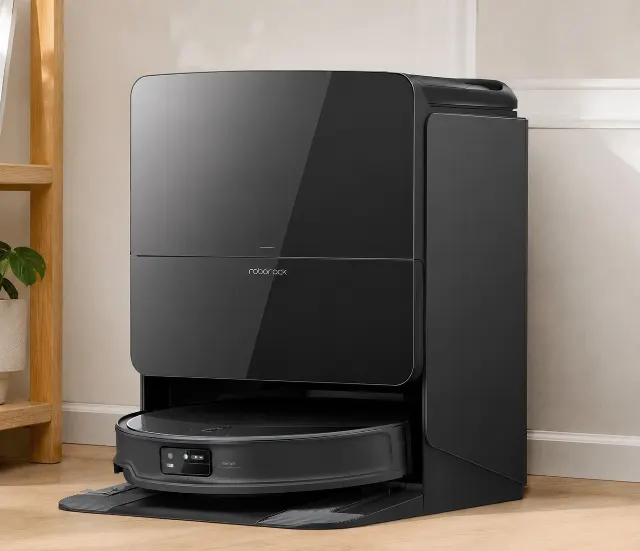
Roborock Saros 10R
The Saros 10R trades flawless navigation for an ultra-slim 3.14-inch profile, solving under-furniture cleaning while demanding occasional app troubleshooting.
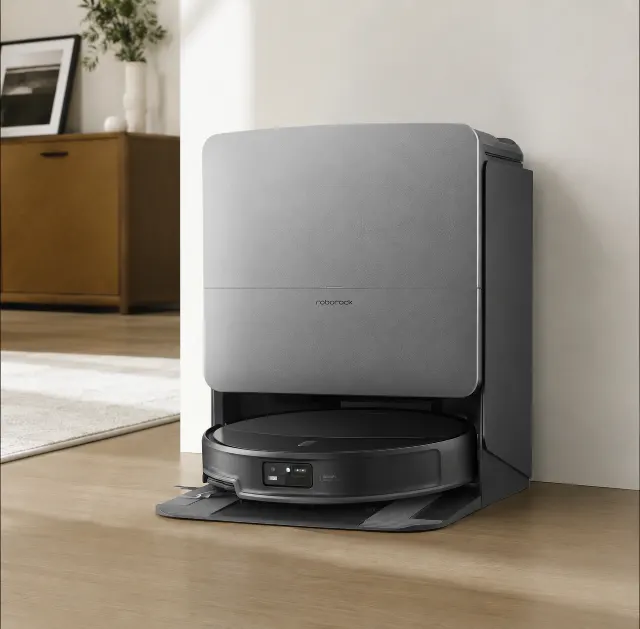
Roborock Saros 20
The Roborock Saros 20's threshold-clearing chassis and hot-water mop wash are genuinely impressive, but its complex app can be a source of initial frustration.
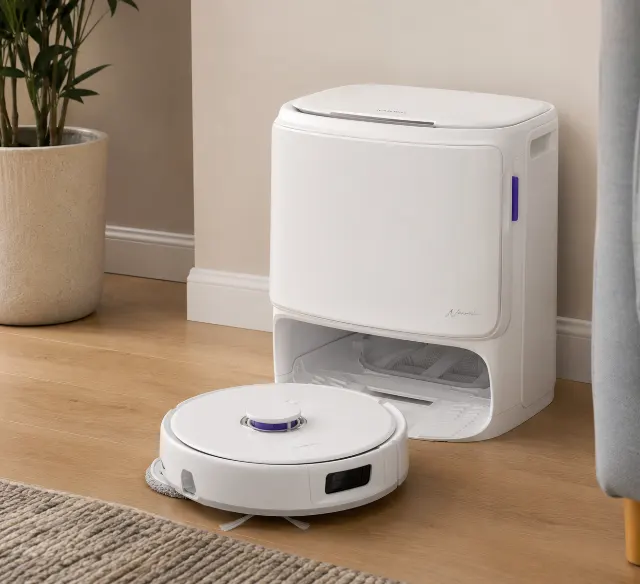
Narwal Freo Z10 Turbo
The Narwal Freo Z10 Turbo's immense 25,000Pa suction power is a legitimate game-changer for deep carpets and pet hair, but its obstacle avoidance isn't as refined as top-tier rivals.
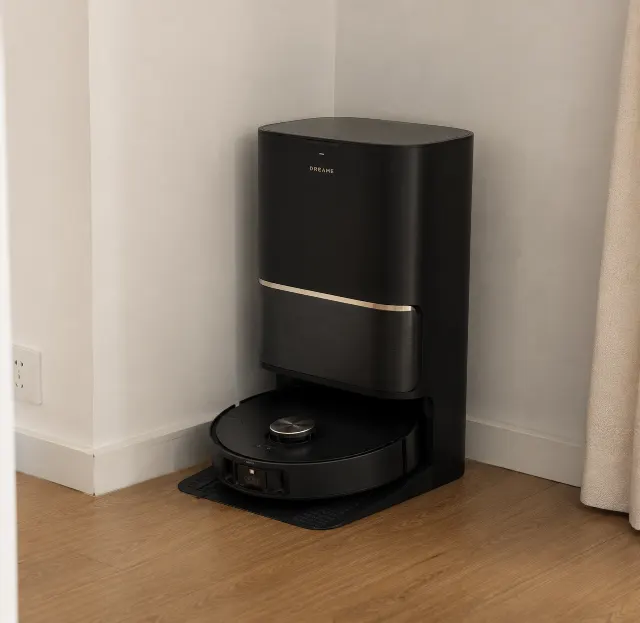
Dreame L50 Ultra
The Dreame L50 Ultra offers immense suction and smart navigation, but its long-term reliability and high cost of consumables demand careful consideration before you buy.
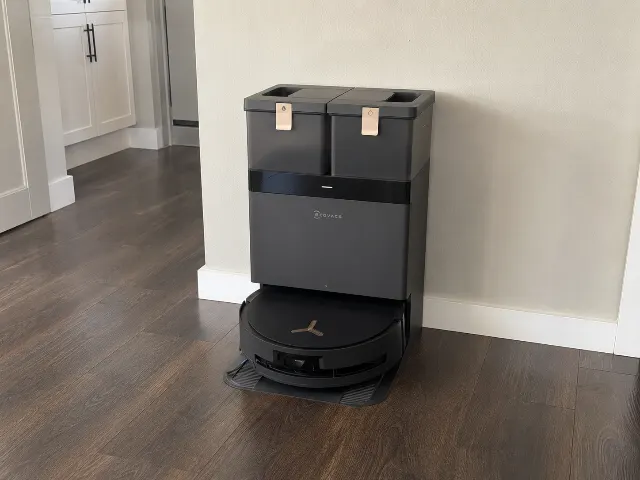
Ecovacs Deebot X8 Pro Omni
The Ecovacs Deebot X8 Pro Omni's 18000Pa suction and hot-water mopping are formidable, but its app can be a source of frustration for a premium-priced machine.
From our guides
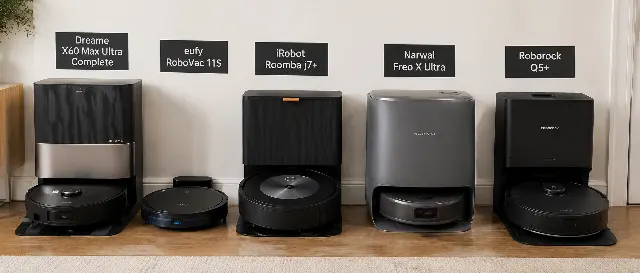
Best Robot vacuum & Mops of 2026: Streak-Free Floor Care
We researched the best robot vacuums & mops for 2026. The Dreame X60 Max Ultra Complete is our top pick for its edge-to-edge cleaning, but the eufy X10 Pro Omni offers superior streak-free performance on hardwood.
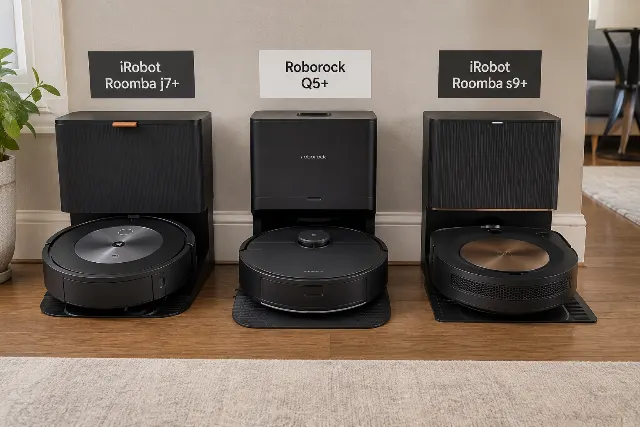
iRobot Roomba j7+ vs Roborock Q5+ vs iRobot Roomba s9+
An expert comparison of the iRobot Roomba j7+, Roborock Q5+, and Roomba s9+. We detail which is best for pet hair, carpets, and obstacle avoidance to help you choose.
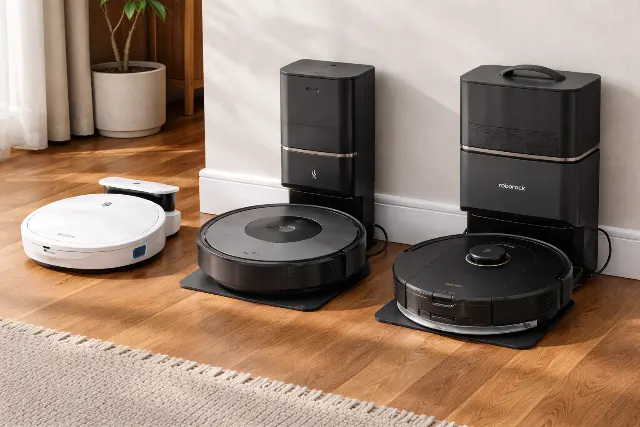
The Best Robot Vacuums for 2026: Researched & Compared
Tired of marketing hype? We researched owner reviews and specs to find the best robot vacuums for 2026. Our top picks for pet hair, value, and budget.