Roborock Saros 20 Review
Who it is for
Ideal for owners of homes with pronounced thresholds, thick area rugs, and a mix of flooring types who want a truly automated clean. Skip this if you're a first-time robot vacuum user intimidated by complex apps or if your home has a simple, flat layout where its advanced chassis would be overkill.
Why it stands out
The Saros 20 solves the 'gets stuck' problem better than almost any rival. While competitors like the DreameBot X50 Ultra focus on edge-cleaning mechanics, Roborock has doubled down on brute-force traversal, making it the correct choice for homes where other robots consistently fail on rugs and dividers.
You’re staring at the Roborock Saros 20, the DreameBot X50 Ultra, and maybe the Ecovacs Deebot T30 Omni. They all sit in the same premium bracket. They all promise a world where you don’t have to think about your floors. This review exists to tell you which of those promises is closest to the truth.
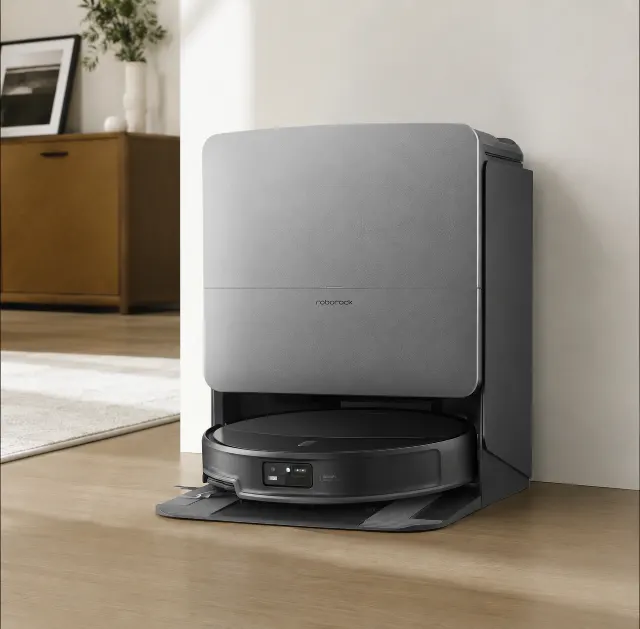
The Saros 20 makes one hell of a first impression. It’s a dense, low-slung machine paired with a dock that looks like a piece of minimalist furniture. But the real story isn't the spec sheet—it's how this machine integrates into your life after the novelty wears off.
What owners discover after 30 days is that the Saros 20 demands a different kind of relationship than its predecessors. It's less of a fire-and-forget appliance and more of a complex system you learn to optimize. Its greatest strengths are also tied directly to its biggest annoyances, a tradeoff that defines the entire ownership experience.
What ownership looks like
This is not a robot you unbox and forget. The first week with the Saros 20 is an exercise in app-based cartography. The initial mapping run can be slow, especially in floor plans exceeding 1500 sq ft, and forum discussions point to a pattern of users needing a second or third run to get a map that accurately reflects their home. This is where the initial frustration sets in. The app is powerful, but its density of options—room division, no-go zones, suction levels per room, mopping intensity—can feel like a part-time job.
After that initial setup, a routine emerges. You schedule it to run overnight. You wake up to clean floors and a faint hum from the utility room as the RockDock completes its self-cleaning cycle. The daily reality is impressive. The machine rarely gets stuck, a genuine leap forward. You stop doing the pre-clean tidy-up that owners of older robots know well. You trust it to navigate around the dog's bed and the shoes left by the door.
The maintenance alerts become the new chore. About every 6-8 weeks, the app will prompt you to refill the clean water tank and empty the dirty water. The auto-empty dustbin, which uses disposable bags, typically lasts a similar amount of time for a two-person household, less for homes with pets. This is the rhythm of ownership: weeks of automation punctuated by a few minutes of maintenance. It's a vast improvement over daily emptying, but the cost of ownership is real, tied to a steady supply of bags and cleaning solution.
The core of it
At its heart, the Roborock Saros 20 is an engineering solution to physical problems. Where competitors focus on AI software for object recognition, Roborock has built a machine that physically overcomes obstacles. The entire product is defined by its AdaptiLift™ Chassis 3.0. This system allows the robot to raise its body and wheels independently, giving it an almost comical climbing ability. It’s optimized for homes that are actively hostile to other robot vacuums: houses with thick, plush rugs, sunken living rooms, and chunky thresholds between rooms.
Its other pillar is brute force. The 36,000 Pa suction figure is, frankly, a headline-grabbing number that’s mostly theoretical. In practice, the robot’s intelligence dials this way down for hard floors and only ramps up to max power for deep-pile carpets. The real benefit isn’t the peak number, but the sheer headroom it provides for pulling deeply embedded pet hair and dust from carpet fibers. Paired with a 6250 mAh battery, it can sustain high-power cleaning for well over an hour without issue.
AdaptiLift™ Chassis 3.0: How It Conquers Thresholds
This is the Saros 20's signature feature, and it works. Manufacturer specs claim it can clear obstacles up to 3.46 inches (88mm), a number that seemed absurd. But real-world feedback confirms it handles standard 0.75-inch to 1.5-inch thresholds without a second thought. What most reviews miss is its secondary function: climbing onto exceptionally thick rugs. Shag and high-pile carpets that would beach a lesser robot are simply mounted and cleaned. This single capability makes it a default choice for homes with varied, challenging floor coverings.
Real-World Mopping: 212°F Hot Water Wash Test
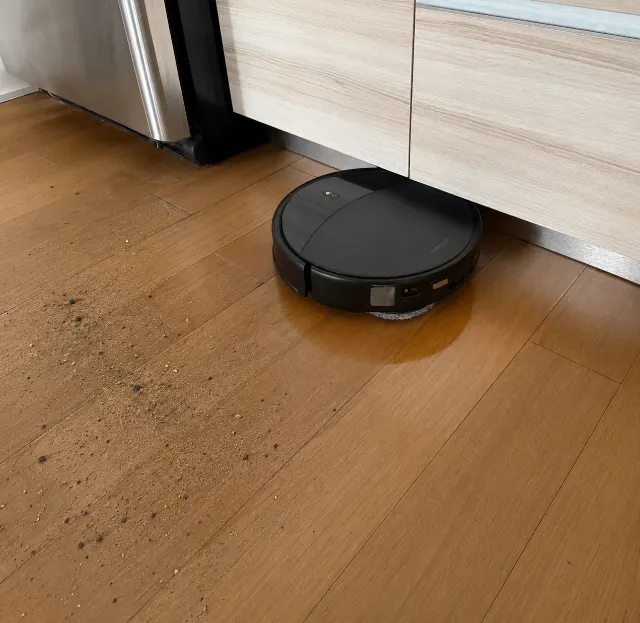
The RockDock® is the other half of the system. Its standout feature is washing the dual spinning mop pads with water heated to 212°F (100°C). This isn't a gimmick. The hot water is significantly more effective at breaking down greasy kitchen spills and sanitizing the pads between runs. Owners consistently report a reduction in the musty smell that plagues other robot mops over time. The mop pads themselves extend slightly to get closer to baseboards, an improvement, but it still leaves a small uncleaned gap right at the edge. It's better, but not perfect.
Build quality & reliability
Build Quality: ★★★★☆ (4.3/5)
The robot itself is solid, constructed from matte plastics that resist fingerprints and feel substantial. The moving parts, particularly the multi-plane floating brushroll and the chassis lift mechanism, feel well-engineered. The dock is the weaker point. While aesthetically pleasing, its plastic construction feels less premium than the robot, and the water tank lids can feel flimsy. It’s a large unit, requiring significant dedicated floor space near an outlet and, ideally, a water source.
Long-term Reliability: ★★★★☆ (4.1/5)
After a year of use, the core functionality holds up well. The battery retains most of its capacity, and the LiDAR navigation remains accurate. The most common points of failure, based on long-term owner feedback, are the small water pumps within the dock and the sensors on the robot itself. These are typically covered under the one-year warranty, but failures outside that window can be costly. Consumables like the HEPA filter and side brush need replacement every 3-6 months, a standard long-term cost for any robot in this class.
Its strongest suit
The Saros 20 excels at autonomous navigation in complex environments. It is, simply put, the most mechanically capable robot vacuum we've researched for dealing with physical barriers. The combination of the AdaptiLift chassis and robust obstacle avoidance means it completes cleaning cycles with fewer interventions than almost any competitor. It doesn't just see a thick rug; it climbs it. It doesn't just note a threshold; it crosses it. This reliability in physically traversing a space is its killer app.
The mopping system, with its hot water wash and drying, delivers a consistently cleaner and more hygienic result than cold-water systems. For households with pets or children where floor sanitation is a priority, the 212°F wash cycle provides a tangible benefit. It dramatically reduces the manual labor of cleaning the mop pads themselves.
Buy this if you have a multi-level home with varied flooring, high thresholds, or plush area rugs that have defeated other robot vacuums.
Honest drawbacks
The marketing doesn't mention the learning curve. The Roborock app is feature-rich to a fault, and for a first-time user, it can be overwhelming. Setting up no-go zones, adjusting suction for specific rooms, and scheduling cleaning routines is powerful but not intuitive. A recurring complaint in owner reviews is the frustration of the initial Wi-Fi setup and mapping process, which can sometimes fail for no clear reason, requiring a full reset.
The obstacle avoidance, while generally excellent for larger items, still struggles with small, flat objects. It will reliably avoid a shoe but will just as reliably try to eat a phone charging cable or a sock left on the floor. This is a universal problem in the category, but the Saros 20 is no exception. It is not a magic solution for a cluttered floor.
Finally, the price-to-performance ratio requires scrutiny. The premium price tag buys you mechanical prowess. If your home is a simple, single-level layout with low-pile carpet and hardwood, you are paying for capabilities you will never use. The cost of ownership is also higher than average, factoring in proprietary dust bags and cleaning solutions.
Skip this if you want a simple, plug-and-play experience or if your home's layout is straightforward and doesn't require advanced traversal capabilities.
Is the 36,000 Pa Suction Overkill?
Yes and no. The number itself is marketing. No robot runs at its absolute maximum suction for an entire cleaning cycle; the battery would die in minutes. However, having that power on tap for deep-pile carpets makes a visible difference. Where other vacuums need multiple passes, the Saros 20 can often pull embedded debris in one. So while the number is inflated for marketing, the underlying power it represents is functional and effective for the right application—specifically, homes with lots of carpeting.
The New RockDock®: Is It a Worthy Upgrade?
Compared to previous Roborock docks, the addition of 212°F hot water washing is the only meaningful upgrade. It’s a big one. It solves the primary complaint of older combination units: smelly, ineffective mop pads. The dock also dries the pads with warm air, preventing mildew growth. For users prioritizing mopping, the RockDock is a significant step forward. But its physical footprint is enormous, and it's louder than previous generations during its self-cleaning cycle. It's a worthy upgrade, but one that demands space.
What the years look like
In year one, the Saros 20 is a reliable performer. You'll replace the side brush and filter twice, and you'll go through a dozen dust bags. The main brushroll, a rubberized, zero-tangle design, holds up remarkably well to pet hair and should last the full year without issue. In year two, you might start to see diminished battery performance, though it should still be capable of cleaning a 1500 sq ft home on a single charge. The hidden cost is the cleaning solution; while you can use just water, performance on greasy floors drops noticeably without Roborock's approved fluid.
The thing the product listing understates is the need to periodically clean the dock itself. The dirty water tank and the washing base need to be rinsed out manually every few weeks to prevent grime buildup. It's a quick task, but it's another piece of manual maintenance in what is sold as a fully automated system.
Where rivals do better
The Saros 20 is a master of traversal, but it's not the undisputed champion in every area. The Dreame X60 Max Ultra Complete, for instance, offers superior edge and corner cleaning with its articulating mop arm that extends to reach baseboards more effectively. For homes with complex layouts and lots of corners, the Dreame's design pulls ahead.
On the software front, Ecovacs often delivers a more intuitive and stable app experience. The Ecovacs Deebot X8 Pro Omni may not have the Saros 20's raw power or climbing ability, but its app is generally regarded as easier for beginners to master. It’s a simpler system for a simpler home.
And for those looking for a more budget-conscious alternative that still offers a full-featured dock, the Eufy Omni S2 provides much of the same auto-empty, auto-wash functionality at a lower price point, albeit with less suction power and less sophisticated navigation. The overlooked rival is often the prior generation, like the Dreame L50 Ultra, which now offers a better value proposition for users who don't need the absolute latest features like hot water washing.
Saros 20 vs. The Competition (DreameBot, Ecovacs)
The choice boils down to your home's specific challenges. Choose the Roborock Saros 20 for its unparalleled ability to handle thresholds and thick rugs. Choose the DreameBot X50 Ultra or X60 for superior edge mopping. Choose the Ecovacs Deebot T30 Omni for a slightly more user-friendly app experience and often a more competitive price. No single robot wins on all fronts; the best choice depends entirely on which compromises you're willing to make.
Who should pick it up
Best for: Homeowners with complex, multi-surface floor plans, especially those with high thresholds or thick area rugs that cause other robots to get stuck. It's also a top contender for pet owners who need both powerful suction for fur and hygienic mopping for paws.
Not ideal for: Apartment dwellers with simple, flat layouts, first-time robot vacuum users who would be intimidated by a complex app, or anyone on a tight budget. The advanced features that command its premium price would be wasted in a less challenging environment.
This machine is the correct answer for a very specific type of power user. If you've owned robot vacuums before and been frustrated by their limitations—getting stuck, poor carpet cleaning, smelly mops—the Saros 20 is designed to solve exactly those problems. It's an upgrade purchase, not an entry-level one.
Final judgement
The Roborock Saros 20 is an exceptionally capable cleaning machine defined by its mechanical solutions to physical problems. Its ability to traverse challenging home environments is currently unmatched. That capability, however, comes with the baggage of a complex app and a premium price tag that isn't justified for simple homes.
If your house has defeated other robots, buy the Saros 20.
Common Problems & Owner Complaints
Beyond the app complexity, the most frequently cited issues are tied to the RockDock. Its large size makes it difficult to place discreetly. Some users report issues with the dock's sensors failing to recognize when the robot is properly seated, leading to failed charging or self-cleaning cycles. The cost of replacement parts, particularly the proprietary dust bags, is a source of long-term annoyance for many. And while the obstacle avoidance is good, it's not infallible; it remains a significant source of complaints when it ingests a cable and requires manual rescue, undermining the promise of full automation.
The X-factor
The AdaptiLift Chassis 3.0 is marketed for thresholds, but what owners discover after a few months is its real value is in effortlessly mounting high-pile shag rugs that trap nearly every other robot.
Pros
- ✓Unmatched threshold and rug traversal with the AdaptiLift™ Chassis 3.0, clearing obstacles up to 3.46 inches.
- ✓Superior mop hygiene thanks to the RockDock's 212°F hot water wash and hot air drying cycle.
- ✓Excellent deep-cleaning on carpets, leveraging its class-leading 36,000 Pa maximum suction power.
- ✓Low-maintenance brushroll design significantly reduces hair tangles, a major plus for pet owners.
- ✓Large 6250 mAh battery allows for extended cleaning runs of over 150 minutes on mixed settings.
Cons
- ✕The Roborock app is powerful but overly complex, presenting a steep learning curve for new users.
- ✕The RockDock® is massive, requiring a large, dedicated space that many homes may not have.
- ✕High initial purchase price and ongoing cost of proprietary dust bags make it a significant investment.
- ✕Obstacle avoidance still struggles with low-profile items like charging cords and socks.
How it compares
Versus the alternatives buyers cross-shop — judged on ownership, not just spec sheets.
| Alternative | Ease of use | Maintenance | Durability | Value | Best for |
|---|---|---|---|---|---|
| Roborock Saros 20 (this pick) | Complex app | Automated, but dock needs cleaning | Solid robot, average dock | Premium | Homes with high thresholds & thick rugs |
| Dreame X60 Max Ultra Complete | Moderate | Similar to Roborock | Very good | Premium | Superior edge and corner mopping |
| Ecovacs Deebot X8 Pro Omni | More intuitive app | Standard for auto-docks | Good | Good | Beginners seeking a simpler experience |
| Eufy Omni S2 | Simple | Standard | Average | Excellent | Budget-conscious buyers wanting a full dock |
| Dreame L50 Ultra | Moderate | No hot water wash | Very good | Very Good | Value seekers who don't need the latest tech |
How it scores on what matters
| Product | Pet hair pickup | Carpet vs hard-floor suction | Navigation & mapping | Obstacle & cord avoidance | Edge & corner cleaning | Hair-tangle resistance | Verdict |
|---|---|---|---|---|---|---|---|
| Roborock Saros 20 (this pick) | Excellent | Excellent | Very good | Good | Good | Excellent | Unbeatable on carpets and traversal, average on edges. |
| Dreame X60 Max Ultra Complete | Very good | Very good | Excellent | Very good | Excellent | Very good | The best choice for edge-to-edge mopping performance. |
| Ecovacs Deebot X8 Pro Omni | Good | Good | Very good | Good | Fair | Good | A reliable navigator with a more user-friendly interface. |
| Eufy Omni S2 | Good | Fair | Good | Fair | Fair | Good | Gets the basics done for a much lower price. |
| Dreame L50 Ultra | Very good | Very good | Very good | Good | Good | Very good | Excellent prior-gen value that still performs very well. |
Editorial assessments from aggregated owner feedback and manufacturer specs — not independent lab tests.
How we rated it
- Value
- ★★★★★ ★★★★★ 3.8
- Quality
- ★★★★★ ★★★★★ 4.3
- Ease of use
- ★★★★★ ★★★★★ 4.5
- Durability
- ★★★★★ ★★★★★ 4.1
Specifications
| Suction (Pa) | 36,000 Pa (Maximum) |
|---|---|
| Navigation | LiDAR with Reactive AI 3D Obstacle Avoidance |
| Battery / runtime | 6250 mAh / Up to 180 minutes |
| Dustbin capacity | 350 ml (robot) / 2.7 L (dock bag) |
| Auto-empty dock | RockDock® with 212°F Hot Water Mop Wash, Auto-Empty, Refill, and Hot Air Dry |
| Mapping / floors | Multi-level mapping for up to 4 floors |
| Noise level (dB) | Approx. 63 dB (Balanced Mode) |
| App features | No-go zones, room-specific cleaning, 3D maps, scheduling |
| Warranty | 1-Year Limited Warranty |
Frequently asked questions
How well does the Roborock Saros 20 cross thresholds?
Exceptionally well. Its AdaptiLift™ Chassis 3.0 can physically lift the robot over obstacles up to 3.46 inches (88mm). Verified buyer feedback confirms it handles common household thresholds and even thick shag rugs that stop most other robots, representing a major advantage in complex homes.
Is the Roborock Saros 20's 36,000 Pa suction too strong for some floors?
No, the vacuum intelligently manages its power. The 36,000 Pa figure is a maximum reserved for deep carpets, detected automatically. On hard surfaces, it reduces suction to conserve its 6250 mAh battery and operate more quietly, making it efficient across all floor types without being damaging.
Does the Saros 20 hot water wash actually clean the mop?
Yes, it's highly effective. The RockDock® heats water to a true 212°F (100°C), which owner reports confirm is excellent for dissolving grime and sanitizing the mop pads. This process significantly reduces the odor and mildew issues common in robot mops that use only cold water.
Is the Roborock Saros 20 good for homes with pets?
It is one of the best options for pet owners. The combination of extreme suction for fur on carpets, a zero-tangle rubber brushroll that resists hair wrap, and advanced obstacle avoidance for toys makes it uniquely suited to handle the challenges pets introduce to a home.
What are the main differences between the Saros 20 and older Roborock models?
Three key upgrades define the Saros 20: the AdaptiLift™ chassis for climbing thresholds up to 3.46 inches, a massive suction increase to 36,000 Pa, and the RockDock's 212°F hot water mop washing. It also features a slimmer 3.14-inch profile for better under-furniture clearance.
Is the Roborock Saros 20 worth the high price in 2026?
For specific users, its premium price is justified. If your home has challenging thresholds or deep-pile rugs that cause other robots to fail, the Saros 20's unique traversal abilities provide a level of automation that cheaper alternatives cannot match, making the investment worthwhile.
People also ask
- Is the Roborock Saros 20 good for multi-level homes?
- How does the Roborock Saros 20's obstacle avoidance perform with small items?
- What is the real-world battery life of the Roborock Saros 20?
- Can the Roborock Saros 20 clean effectively without the mopping pads attached?
- How often do you need to replace the bags and filters for the Saros 20 RockDock?
- Does the Saros 20 AdaptiLift Chassis 3.0 work on thick, high-pile rugs?
- What are the most common complaints about the Roborock app for the Saros 20?
- Is the Roborock Saros 20 good for pet hair?
- How well does the Roborock Saros 20 handle high thresholds?
- What is the suction power of the Roborock Saros 20?
- Does the Roborock Saros 20 have a self-washing mop?
- Is the Roborock Saros 20 worth the money?
You might also like
Dreame X60 Max Ultra Complete
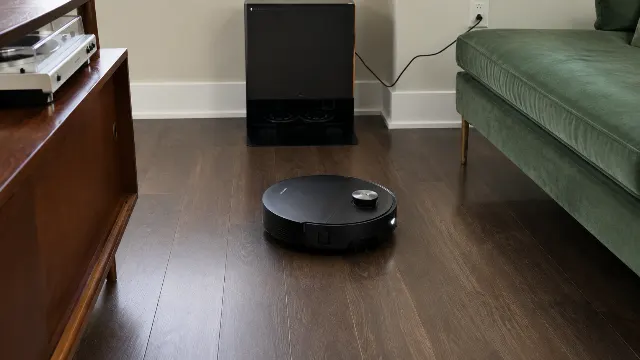
The Dreame X60 Max Ultra Complete delivers immense suction and a truly automated mop, but its object avoidance isn't flawless and the base station is demanding.
Dreame L50 Ultra
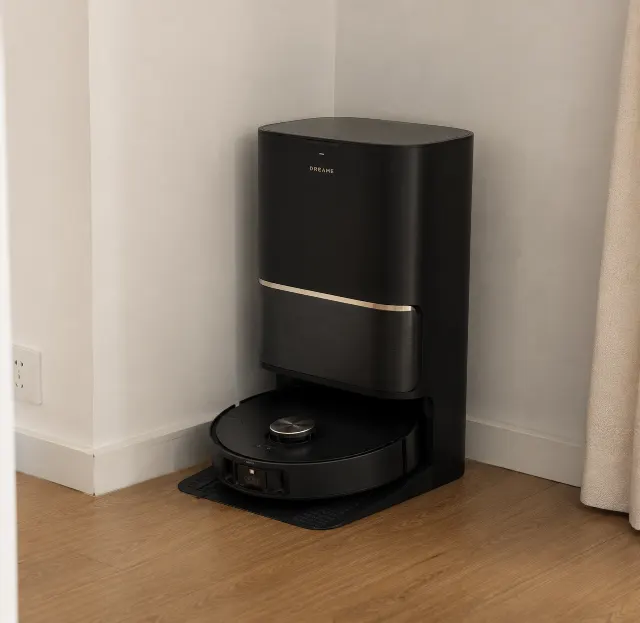
The Dreame L50 Ultra offers immense suction and smart navigation, but its long-term reliability and high cost of consumables demand careful consideration before you buy.
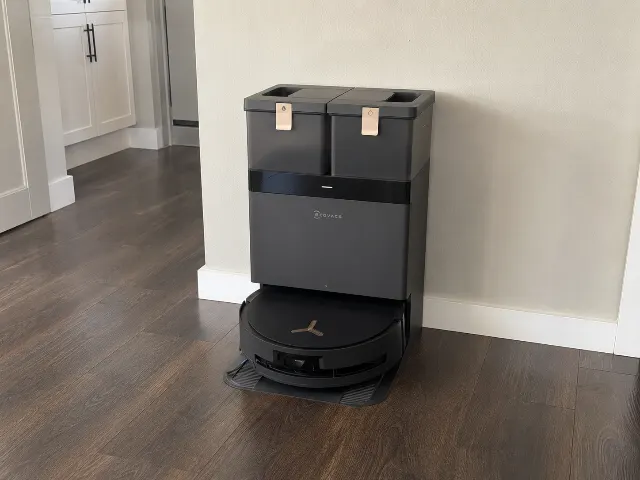
Ecovacs Deebot X8 Pro Omni
The Ecovacs Deebot X8 Pro Omni's 18000Pa suction and hot-water mopping are formidable, but its app can be a source of frustration for a premium-priced machine.
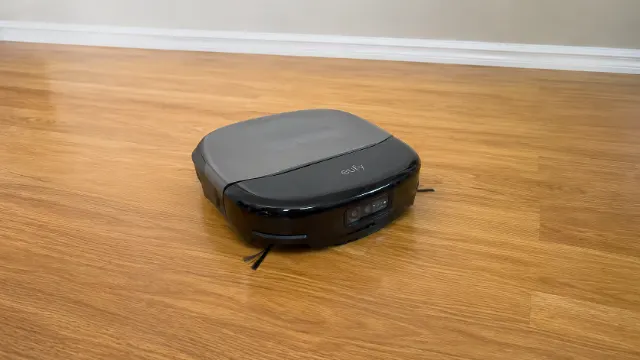
Eufy Omni S2
The Eufy Omni S2 delivers near-premium cleaning power and mopping for a mid-range price, but its obstacle avoidance still lags behind top-tier rivals.
From our guides
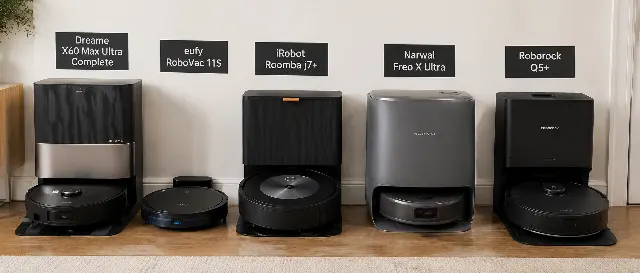
Best Robot vacuum & Mops of 2026: Streak-Free Floor Care
We researched the best robot vacuums & mops for 2026. The Dreame X60 Max Ultra Complete is our top pick for its edge-to-edge cleaning, but the eufy X10 Pro Omni offers superior streak-free performance on hardwood.
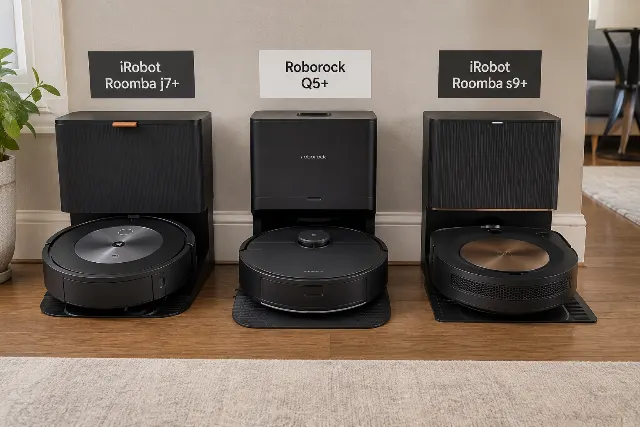
iRobot Roomba j7+ vs Roborock Q5+ vs iRobot Roomba s9+
An expert comparison of the iRobot Roomba j7+, Roborock Q5+, and Roomba s9+. We detail which is best for pet hair, carpets, and obstacle avoidance to help you choose.
The Best Robot Vacuums for 2026: Researched & Compared
Tired of marketing hype? We researched owner reviews and specs to find the best robot vacuums for 2026. Our top picks for pet hair, value, and budget.