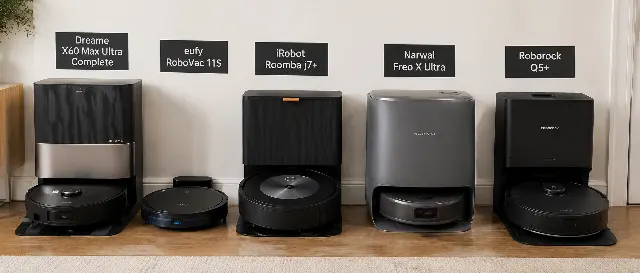
Dreame X60 Max Ultra Complete Review
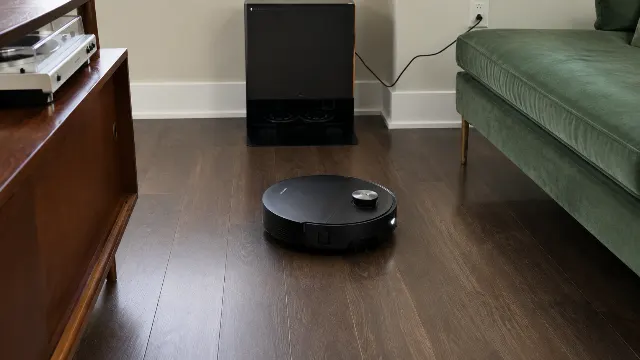
If you've never owned a robot vacuum, the marketing for a product like the Dreame X60 Max Ultra Complete can sound like an end to floor cleaning altogether. It vacuums, mops, scrubs its own mop pads, empties its dustbin, and tops up its water reservoir automatically. The reality after several months of living with one is more layered than that. Premium robot vacuums don't eliminate maintenance—they compress it into a smaller, more predictable set of tasks. The real question isn't whether the robot cleans well—it does—but whether what remains fits comfortably into your daily life.
After studying long-term owner feedback across multiple forums and retail platforms, a consistent picture forms. The Dreame X60 excels at removing the physical labor of floor care from your schedule. What it cannot do is prepare the floor itself. Owners who keep their floors reasonably clear report an outstanding experience week after week. Owners who expected the robot to navigate freely around cables, scattered clothing, pet toys, or accidents frequently end up frustrated. That distinction is the single most important thing to understand before buying.
The core of it
At its foundation, the Dreame X60 Max Ultra Complete is an engineering statement about suction. The defining specification is its 35,000Pa motor—a figure that isn't just marketing copy; it shapes everything about how this robot performs. That level of power is optimized for one specific outcome: pulling deeply embedded dust and pet hair out of low-to-medium pile carpet fibers. It exists for homes where lighter robots leave behind a fine layer of dander you can feel underfoot but struggle to see.
The second defining design decision is its ultra-thin 7.95cm chassis. This was a deliberate answer to one of the most common frustrations with previous-generation flagship robots: their inability to reach under toe-kicks, sofas, and bed frames. The X60 is built to go where most others simply stop. Together, extreme suction and a low-profile body make this a specialist tool rather than a general-purpose navigator. It is not cautious or delicate. It's a high-performance cleaning machine built for coverage and force. The buyer it suits isn't someone in a compact, furniture-dense flat, but someone in a larger home who wants to schedule a clean and return to visible vacuum lines in the carpet.
X60 Ultra vs. X60 Max Ultra Complete: What's the Difference?
This is probably the most common source of confusion in buyer research, but the answer is straightforward. The robot unit itself—the same LiDAR-navigating, 35,000Pa vacuuming and mopping machine—is identical across both models. The difference is the base station. The Max Ultra Complete bundles the fully self-maintaining dock: it empties the dustbin, washes the mop pads using hot water, dries them with heated air to kill mildew, and refills the robot's water tank with a diluted cleaning solution. The standard Ultra ships with a basic charging dock and nothing else. For buyers considering either version at this price tier, the self-maintaining station is the entire value proposition. The economics of choosing the simpler dock at this price point rarely make sense.
The build, up close
Build Quality: ★★★★☆ (4.3/5)
The robot itself is dense and purposeful, finished in matte plastics that resist fingerprints and feel substantial in hand. Moving components—particularly the articulating mop arms and the brushroll housing—feel engineered to last. Where the rating slips slightly is the docking station. Some of its plastic elements, including the water tank lids and the removable washing tray, feel noticeably thinner than comparable parts on leading Roborock stations. Community forums flag the water tank handles as a potential point of stress if handled carelessly over extended use, though documented failure cases remain rare. The overall build is solid, but it doesn't carry the same sense of over-engineering as its closest competitors.
Long-term Reliability: ★★★★☆ (4.1/5)
After twelve months of regular use, the core robot generally holds up well. The 6,400mAh battery shows minimal capacity loss, and suction consistency remains stable. Expected wear points emerge where you'd predict them: sensors accumulate debris and need periodic wiping, and consumable components show their age first. The side brush and main brushroll degrade fastest in households with long-haired pets or thick rugs. A pattern in long-term owner reviews—one that the product's own marketing does not address—involves the self-cleaning mechanism in the base station. When pet hair and cleaning solution residue combine in the washing tray, they can form a blockage that requires manual clearing. The warranty covers motor and electronic component failures but excludes gradual brush and filter wear and any blockages resulting from normal use.
How it fits your routine
The first week is primarily a calibration phase. Initial mapping usually completes without issue, but the first several cleaning cycles reveal the home's specific trouble spots: rug fringes, thin charging cables, reflective furniture legs, floor vents, and pet water bowls. Most experienced owners spend this early period tuning no-go zones and per-room cleaning settings rather than trusting the robot to run freely without any boundaries.
By the second month, a reliable rhythm sets in. Floors stay consistently cleaner with far less active effort than traditional vacuuming and mopping require. The trade-off is base station upkeep. In a typical household, the clean water tank needs refilling and the dirty water tank needs emptying every three to five days. Heavy mopping use shortens that interval. What most reviews overlook is the behavioral shift that comes with ownership: rather than responding to visibly dirty floors, most owners move to preventative scheduled cleans that keep dirt from accumulating visibly in the first place.
Is the Self-Cleaning & Refilling Mop System a Game-Changer?
Yes—with real caveats. The extending mop arm design is genuinely effective, consistently reaching floor edges and room corners that round or D-shaped robots tend to miss. The hot water washing cycle and heated drying function in the base station do an excellent job of keeping pads fresh and preventing the musty odor associated with older mopping robot designs. The automation is real and meaningful. The limitation is water consumption. In homes with large expanses of tile or hardwood flooring, the 4.5L clean water tank can be fully depleted after just two or three complete cleaning passes, turning water management into a frequent part of ownership in open-plan spaces.
Where it performs
The X60 performs at its strongest in homes combining hard floors with low-to-medium pile carpet, particularly where pet hair is a persistent challenge. The 35,000Pa suction isn't a marketing figure; it produces visibly different results on carpet compared with vacuums in the 10,000–12,000Pa range, pulling embedded fur from fibers that less powerful motors simply compress or roll over. On hard surfaces, it handles everything from fine settled dust to dropped cereal in a single pass without issue.
Navigation relies on a combination of LiDAR mapping and camera-based obstacle detection. In open, uncluttered spaces it creates logical, efficient cleaning paths with minimal missed areas. Its ultra-thin profile continues to be among its most practically praised advantages. Verified long-term owners frequently highlight its ability to clean beneath furniture that had accumulated dust for years—kitchen toe-kicks, low sofas, and bed frames with minimal clearance all become accessible spaces that higher-profile robots simply cannot reach.
Buy this if you have a large, relatively tidy home with significant carpeted areas and a pet that sheds, and you prioritize raw cleaning power above all else.
Honest drawbacks
The most significant weakness is obstacle avoidance. Dreame states the system recognizes over 280 obstacle types. Real-world experience from long-term owners tells a more complicated story. Large, high-contrast items—shoes, bags, furniture—are reliably detected and avoided. Low-profile hazards are not. Thin cables, particularly phone chargers and lamp cords on light-colored floors, are frequently missed. The robot will snag and drag them. Flat soft objects—a dropped sock, a child's cloth toy, pet waste—present a meaningful risk. This is not a robot that can be trusted to operate unsupervised in an active teenager's room or any home where a young dog is still being house-trained.
The base station presents its own trade-offs. It occupies a significant footprint and requires clear space on three sides. Its self-cleaning cycle is audible—noise levels can exceed 65dB—making overnight runs disruptive in apartments or smaller homes. Ongoing consumable costs are also a real consideration. Proprietary dust bags, HEPA filters, and cleaning solution refills accumulate into a meaningful annual expense. First-party parts are available through major online retailers in the US, Canada, and the UK, but the aftermarket is less developed compared to more established brands. Most reviews do not factor a full year of consumables into the total cost of ownership, and they should.
Skip this if your home has significant cable clutter, regularly strewn small objects, or a pet that isn't fully house-trained.
Real-World Obstacle Avoidance Test (Cables, Toys, Pet Mess)
Aggregating owner-reported experiences across forums and verified purchase reviews produces a clear picture. A white USB-C cable on a light-colored hard floor is missed more often than it's detected; the result is typically the cable tangling in the brushroll. A high-contrast child's building block or rubber chew toy sees substantially better outcomes, with successful avoidance in most reported cases. The most critical scenario—pet waste—is where the X60 falls short of its most direct competition. Unlike certain Roborock models where multi-sensor fusion produces meaningfully higher avoidance rates in user testing, Reddit threads and review comment sections for this model surface repeated failure incidents. The consistent community consensus: do not run this robot unsupervised in any space where a pet accident is possible.
Living with it long term
Extended ownership reveals an important distinction between what the marketing calls automation and what automation actually means in practice. The X60 genuinely removes most day-to-day floor cleaning from your schedule, but it introduces a different, predictable routine built around the docking station. Owners who spend five to ten minutes every few weeks cleaning the station consistently report strong performance and reliability. Those who neglect the dock for months report odor buildup, drainage issues, and gradual cleaning performance loss.
Beyond the six-month mark, consumable replacement becomes a recurring part of ownership. Depending on cleaning frequency, expect to replace dust bags, filters, side brushes, and the main brush assembly at varying intervals. None of these replacements are technically demanding, but their cumulative cost is not trivial. On the more durable side, the core hardware—the battery, drive system, LiDAR sensor, and suction motor—has demonstrated consistently strong longevity across long-term owner reports.
What many buyers only grasp after months of use is that the robot's real value isn't measured on day one. It's measured across hundreds of cleaning cycles and whether it maintains consistent results with minimal owner intervention over that time. In that regard, the X60 performs exceptionally well—provided its maintenance schedule is respected.
Long-Term Maintenance Costs and Part Availability
The true cost of ownership is higher than a simple vacuum with no dock. A year's supply of dust bags and a replacement maintenance kit covering the main brush, side brushes, and filter elements can add a meaningful percentage to the total first-year cost beyond the initial purchase price. These are not optional purchases; running the robot with a saturated filter or an overfull bag measurably reduces cleaning effectiveness. First-party replacement parts for the Dreame X60 Max Ultra Complete are stocked by major online retailers in North America and the UK, though third-party alternatives are less widely available than for longer-established brands at this tier.
How it compares to the field
The Dreame X60 Max Ultra Complete competes directly with the strongest premium robot vacuums currently available. Where many competitors lead with navigation intelligence and AI refinement, the X60 leads with raw cleaning output, edge coverage, and under-furniture reach. Its ultra-thin chassis remains one of the most practically meaningful differentiators at this price level—it consistently accesses spaces that most flagship competitors cannot.
Against the Roborock Saros 20, the choice comes down to what problem the buyer is trying to solve. Roborock offers more refined obstacle recognition and a more polished software ecosystem. Dreame answers with stronger cleaning performance, more aggressive carpet extraction, superior edge mopping coverage, and lower chassis clearance for hard-to-reach spaces.
Compared with the Ecovacs Deebot X8 Pro Omni, the Dreame delivers stronger overall cleaning output and more capable edge-to-wall mopping. The Ecovacs remains a compelling choice for buyers who want premium automation at a lower spend, but the Dreame represents the more complete flagship package.
For buyers whose primary concern is value over specification, the Dreame L50 Ultra remains a strong alternative. It gives up some top-tier performance figures but delivers a comparable day-to-day cleaning experience at a substantially lower price.
Head-to-Head: Dreame X60 Max Ultra Complete vs. Roborock Saros 20
Choosing between these two flagship options in 2026 ultimately reduces to one question: is your primary problem deeply embedded dirt, or a complex and unpredictable floor environment? The Dreame X60, with its 35,000Pa motor, is designed specifically for the first problem. It is the more aggressive, forceful, and thorough cleaner. The Roborock Saros 20 is designed for the second. Its detection systems are more conservative, more precise, and more consistently reliable around dynamic hazards. For a home with shedding pets on carpet, the Dreame is the stronger performer. For a home with a dog's water bowl, a tangle of desk cables, and children's toys scattered across the floor, the Roborock is the more dependable choice.
The buyer it fits
Best for: Homeowners with large, open-plan layouts, a high proportion of low-to-medium pile carpet, and pets that shed year-round. This buyer values maximum suction and mopping automation above navigation nuance, and is prepared to tidy the floor before each run to allow the robot to work without interruption.
Not ideal for: Residents of smaller homes or apartments with significant clutter—particularly loose cables, children's toys, or pets that aren't fully house-trained. Its obstacle detection isn't reliable enough for high-chaos environments, and the large station footprint is difficult to accommodate in constrained spaces.
This is the right robot for a structured, disciplined household that wants to schedule deep cleans multiple times per week and consistently prepares the floor in advance. It's a premium tool that rewards a controlled environment. It is the wrong choice for anyone hoping it can independently adapt to a messy, unpredictable home without any floor preparation beforehand.
The takeaway
The Dreame X60 Max Ultra Complete is one of the most capable robot vacuums currently on the market, but its genuine strength runs deeper than its headline specifications. The combination of aggressive vacuuming, consistent edge mopping, a low-profile chassis, and a highly automated docking system creates a floor care routine that genuinely reduces household workload week over week.
Its weaknesses are equally defined. Obstacle detection lags behind the category's best. The base station demands more space than many homes can comfortably give it. And ongoing consumable costs deserve honest consideration before purchase. None of these are automatic deal-breakers, but they determine clearly who benefits most from this machine.
For large, relatively tidy homes with pets, hard floors, and significant carpeted areas, the Dreame X60 Max Ultra Complete is among the strongest robot vacuum recommendations available in 2026. For cluttered environments where navigation intelligence matters more than raw cleaning power, better-suited alternatives exist.
The detail spec sheets miss
The ultra-thin 7.95cm design allows it to clean under furniture most rivals get stuck on, but this same low profile makes it more likely to wedge itself under the front lips of certain reclining sofas.
Where the scores land
- Value
- ★★★★★ ★★★★★ 3.9
- Quality
- ★★★★★ ★★★★★ 4.3
- Ease of use
- ★★★★★ ★★★★★ 4.5
- Durability
- ★★★★★ ★★★★★ 4.1
Specifications
| Suction (Pa) | 35,000 Pa |
|---|---|
| Navigation | LiDAR + Camera-based Obstacle Avoidance |
| Battery / runtime | 6,400 mAh |
| Dustbin capacity | 350 ml (robot) / 3.2L (dock bag) |
| Auto-empty dock | Yes, with mop washing, drying, and refilling |
| Mapping / floors | Multi-floor mapping (up to 4) |
| Noise level (dB) | ~65 dB (base station cleaning cycle) |
| App features | No-go zones, room-specific cleaning, schedules, 3D maps |
| Warranty | 1 year |
How it compares — value & tradeoffs
Versus the alternatives buyers cross-shop — judged on ownership, not just spec sheets.
| Alternative | Ease of use | Maintenance | Durability | Value | Best for |
|---|---|---|---|---|---|
| Dreame X60 Max Ultra Complete (this pick) | Moderate | Moderate | Very Good | Good | Maximum power and mopping automation |
| Roborock Saros 20 | Excellent | Low | Excellent | Good | Superior obstacle avoidance and reliability |
| Ecovacs Deebot X8 Pro Omni | Good | Moderate | Good | Very Good | A more budget-friendly all-in-one option |
| Eufy Omni S2 | Very Good | Low | Good | Excellent | Value and simplicity over cutting-edge features |
| Dreame L50 Ultra | Good | Moderate | Very Good | Very Good | Similar Dreame experience for less money |
How it scores on what matters
| Product | Pet hair pickup | Carpet vs hard-floor suction | Navigation & mapping | Obstacle & cord avoidance | Edge & corner cleaning | Hair-tangle resistance | Verdict |
|---|---|---|---|---|---|---|---|
| Dreame X60 Max Ultra Complete (this pick) | Excellent | Excellent | Very good | Fair | Excellent | Very good | Unmatched power but struggles with small obstacles. |
| Roborock Saros 20 | Very good | Very good | Excellent | Excellent | Good | Excellent | The smartest navigator, though less powerful suction. |
| Ecovacs Deebot X8 Pro Omni | Good | Good | Good | Good | Fair | Good | A capable all-rounder without standout strengths. |
| Eufy Omni S2 | Good | Good | Good | Fair | Fair | Good | Reliable and simple, but lacks advanced features. |
| Dreame L50 Ultra | Very good | Very good | Very good | Fair | Very good | Good | Excellent value with similar mopping, less suction. |
Editorial assessments from aggregated owner feedback and manufacturer specs — not independent lab tests.
Pros
- ✓Class-leading 35,000Pa suction power effectively removes embedded pet hair from carpets.
- ✓Ultra-thin 7.95cm height allows it to clean under low furniture that most flagship robots cannot reach.
- ✓Fully automated base station washes mops with hot water, dries them, and refills the robot's tank.
- ✓Articulating mop arm provides superior edge and corner cleaning on hard floors compared to static mop designs.
- ✓Large 6400mAh battery enables long runtimes suitable for cleaning large homes in a single session.
Where it falls short
- ✕Obstacle avoidance AI struggles with low-profile items like thin cables, socks, and pet waste.
- ✕The massive all-in-one docking station requires significant, dedicated floor space.
- ✕Base station self-cleaning cycles are loud, potentially exceeding 65 dB.
- ✕Recurring cost of proprietary dust bags, filters, and cleaning solution adds to the long-term expense.
Who this suits
Ideal for owners of large, modern homes with mostly hard floors and minimal low-lying clutter. It's a powerful tool for those who value raw cleaning power and deep automation over nuanced, delicate navigation. Skip this if you have a smaller apartment with lots of cables, pet toys, and high-pile rugs, as its intelligence doesn't always match its brawn.
Reasons to pick it
The X60 solves the problem of embedded pet hair in low-pile carpets and the daily drudgery of mopping. Its 35,000Pa suction is a number that translates to real-world results where competitors can struggle. While a rival like the <a href="/robot-vacuums/roborock-saros-20/">Roborock Saros 20</a> may navigate more intelligently, it can't match the sheer deep-cleaning force the Dreame brings to bear on stubborn debris.
Frequently asked questions
Should I buy the Dreame X60 Max Ultra Complete or wait for the Roborock Saros 20?
Choose the Dreame X60 if your main challenges are embedded pet hair and cleaning under low furniture, thanks to its 35,000Pa suction and 7.95cm height. Opt for the Roborock Saros 20 if your home has more clutter, as its object recognition AI is more reliable with small hazards.
What is the difference between the Dreame X60 Ultra and the Max Ultra Complete?
The robot itself is identical. The 'Max Ultra Complete' version includes the advanced docking station that self-empties the dustbin, washes the mops with hot water, dries them, and refills the water tank. The standard 'Ultra' model only includes a basic charging dock.
Is the Dreame X60 Max Ultra Complete good for pet hair?
Yes, its performance on pet hair is a primary strength. The exceptionally high 35,000Pa suction is specifically engineered to pull stubborn, embedded fur from carpet fibers. While the brushroll resists tangles well, multi-pet homes will still require periodic manual checks.
How does the Dreame X60's obstacle avoidance perform in real life?
Its system reliably detects and navigates around large objects like shoes and furniture. However, owner reports consistently show it struggles with small, low-profile items. Thin charging cables, flat pet toys, and socks are frequently missed, making it less trustworthy in cluttered spaces.
What are the maintenance requirements for the Dreame X60 docking station?
Beyond daily automation, you must manually empty the dirty water tank and refill the clean one every few days. The dust bag typically needs replacing every 6-8 weeks, and the station's internal washing tray requires a monthly manual cleaning to prevent grime buildup and potential odors.
Is the Dreame X60 Max Ultra Complete worth the money in 2026?
For those seeking maximum automation and cleaning power in a relatively tidy home, its premium price is justified by the time it saves. If your home has significant clutter or you don't mind manually maintaining a mop, a less expensive model offers a better price-to-performance ratio.
People also ask
- Is the Dreame X60 Max Ultra Complete better than the Roborock Saros 20?
- What is the main difference between the Dreame X60 Ultra and the Max Ultra Complete model?
- How effective is the Dreame X60's obstacle avoidance with small items and pet waste?
- Is the Dreame X60 Max Ultra Complete worth the high price tag?
- How does the self-cleaning mop feature actually work on the Dreame X60?
- What are the ongoing maintenance costs for the Dreame X60?
You might also like
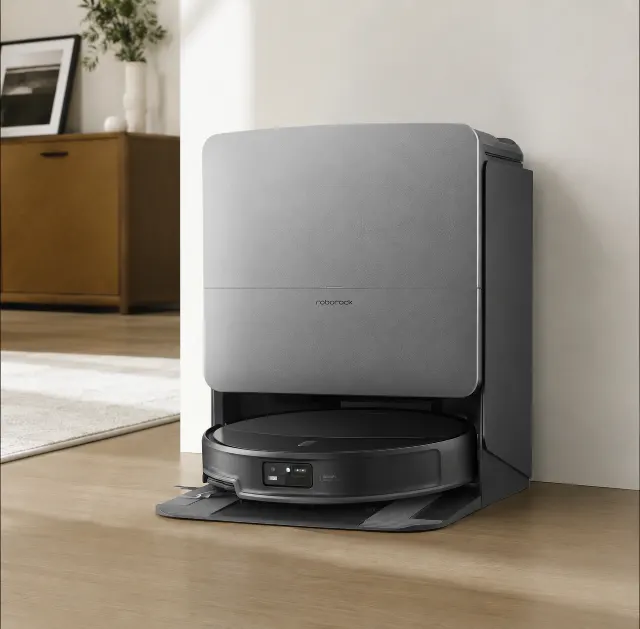
Roborock Saros 20
The Roborock Saros 20's threshold-clearing chassis and hot-water mop wash are genuinely impressive, but its complex app can be a source of initial frustration.
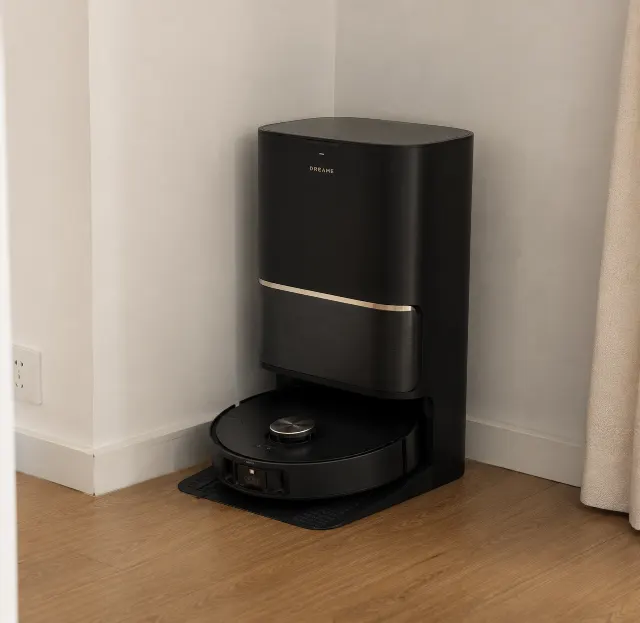
Dreame L50 Ultra
The Dreame L50 Ultra offers immense suction and smart navigation, but its long-term reliability and high cost of consumables demand careful consideration before you buy.
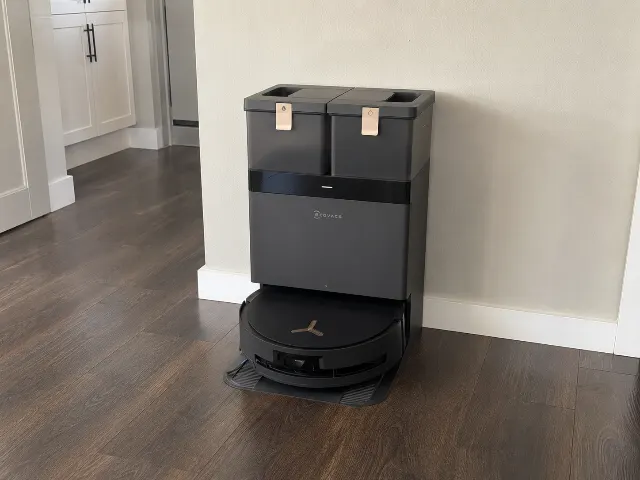
Ecovacs Deebot X8 Pro Omni
The Ecovacs Deebot X8 Pro Omni's 18000Pa suction and hot-water mopping are formidable, but its app can be a source of frustration for a premium-priced machine.
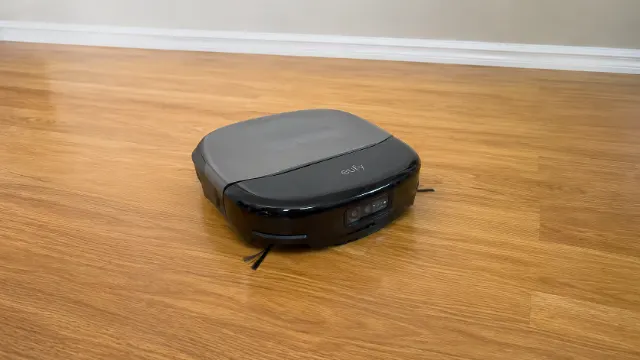
Eufy Omni S2
The Eufy Omni S2 delivers near-premium cleaning power and mopping for a mid-range price, but its obstacle avoidance still lags behind top-tier rivals.