Robot Vacuum vs Robot Vacuum-Mop: Do You Need Mopping?
Robot Vacuum vs. Mop Combo: The 2026 Verdict
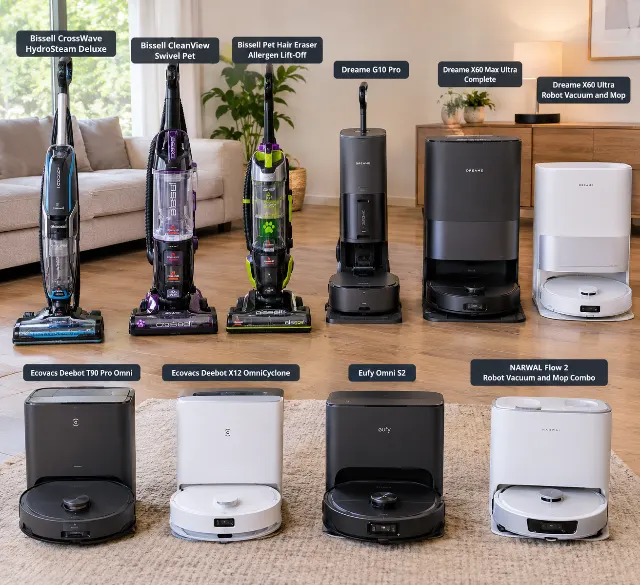
The debate is over. For most homes with any amount of hard flooring, a hybrid robot vacuum-mop is the correct choice in 2026. The technology has matured past the point of compromise. Modern hybrids from brands like Roborock, Dreame, and Ecovacs no longer just drag a damp cloth; they use sonic scrubbing, rotating mop heads, and self-washing base stations that genuinely clean. The argument for a vacuum-only robot has narrowed to a single, specific use case: homes that are 100% carpeted, especially with high-pile or shag rugs. For everyone else, the question isn't if you should get a combo, but which one.
Key Differences: How a Vacuum-Only Robot Compares to a Hybrid
A vacuum-only robot is a specialist. It has one job: use suction and a brush roll to pull dry debris from floors. Its design is optimized for that task, often featuring larger dustbins and brush rolls engineered specifically for deep carpet agitation. A 2-in-1 vacuum mop combo is a generalist. It does everything the vacuum does, but adds a mopping system—typically spinning pads or a vibrating plate—and a water reservoir. The core engineering challenge, now largely solved in premium models, is making the two systems coexist without compromise. The key differentiator is the base station. A vacuum-only robot might have a self-emptying dock for dust. A hybrid has a far more complex 'omni' station that not only empties dust but also washes the mop pads with clean water, refills the robot's internal tank, and often dries the pads with heated air to prevent mildew. This dock is the single biggest reason modern hybrids have pulled so far ahead of their predecessors.
The Hybrid Advantage: Why 2-in-1 Models Dominate
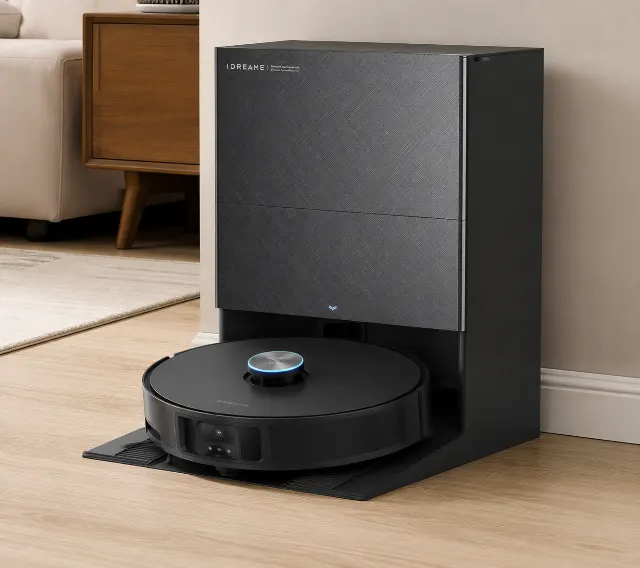
The simple truth is that vacuuming alone leaves hard floors feeling gritty. Dust and fine particulates remain, which only mopping can remove. A modern hybrid automates this entire sequence. A model like the DREAME X60 Ultra Robot Vacuum and Mop can vacuum the whole house, scrubbing the kitchen tile and hardwood floors, while intelligently lifting its mops high enough to deep clean the living room carpet—all in a single run. This level of automation was science fiction five years ago. Now, it's the standard for any flagship robot. The convenience of a single device, a single map in an app, and a single docking station that handles all the dirty work is a massive quality-of-life improvement that two separate devices can't match for the price or footprint.
When a Vacuum-Only Robot is the Smarter Choice
Don't pay for features you won't use. If your home is wall-to-wall carpet, a hybrid's mopping hardware is dead weight. You're better off investing that money into a powerful, dedicated vacuum. For these homes, the primary concerns are suction power (measured in Pascals or Pa), the effectiveness of the brush roll at resisting hair tangles, and the robot's ability to navigate thick carpets without getting bogged down. A vacuum-only model often has a simpler design with fewer potential points of failure—no water pumps, tanks, or washing stations to maintain. If you have high-pile or shag carpets, a hybrid's mop-lifting mechanism, even the best ones that raise 15-20mm, might not be enough to prevent the pads from dragging. In that specific scenario, a vacuum-only robot isn't just a good choice; it's the right one.
Performance on Hard Floors: Do Combos Actually Mop Well?
Yes, but with a major caveat: the quality of the mop and, more importantly, the dock, determines everything. Entry-level hybrids that just use a static, wet pad are little more than automated dust wipers. They can smear spills and spread grime. This is where the myth that robot mops just spread dirty water comes from, and for cheap models, it’s true. True cleaning power comes from systems with active scrubbing. The NARWAL Flow 2 Robot Vacuum and Mop Combo and Roborock's S8 MaxV Ultra use high-speed rotating mop pads that apply downward pressure, mimicking the action of hand mopping. They scrub, they don't just wipe. The real breakthrough is the self-washing dock. Mid-clean, the robot returns to its base, where the dirty pads are washed with clean water and detergent, and the dirty water is extracted into a separate tank. This ensures the robot goes back out with a clean mop, effectively preventing cross-contamination. This feature alone separates a genuinely useful robot mop from a gimmick. For tough, dried-on stains like coffee or sauce, they may still require a pre-treatment or a second pass, but for daily maintenance, they absolutely replace the need for a manual mop.
The Carpet Question: How Hybrids Avoid Soaking Your Rugs
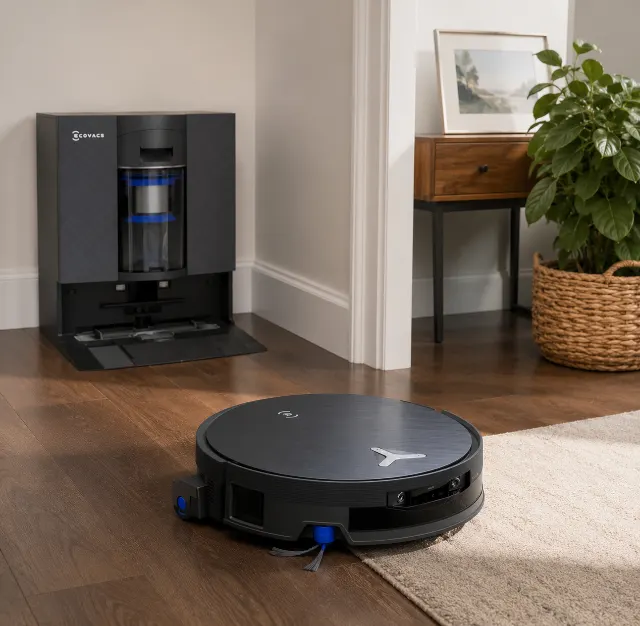
This was the Achilles' heel of early 2-in-1s. Now, it's a solved problem. Modern hybrids use a combination of sensors to manage carpets. First, ultrasonic sensors detect the change in floor texture instantly. When the robot moves from hardwood to a rug, it triggers one of two actions. On premium models like the Ecovacs Deebot X12 OmniCyclone, the entire mopping assembly lifts up and away from the carpet, tucking underneath the robot. This allows it to continue vacuuming with maximum suction without the wet pads ever touching the carpet fibers. Cheaper models might simply stop the mop from spinning and cease water flow, but this can still leave a damp trail on low-pile rugs. The auto-lifting mop is the feature to look for. It's the most effective solution and the current industry standard on any model over.
The ones worth buying
Our recommendations focus on models that exemplify the best of each category, grounded in aggregated owner reports and a clear understanding of their strengths and weaknesses.
The one to beat: Dreame X60 Max Ultra Complete
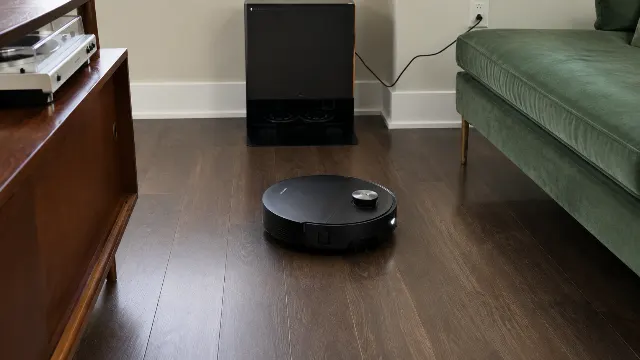
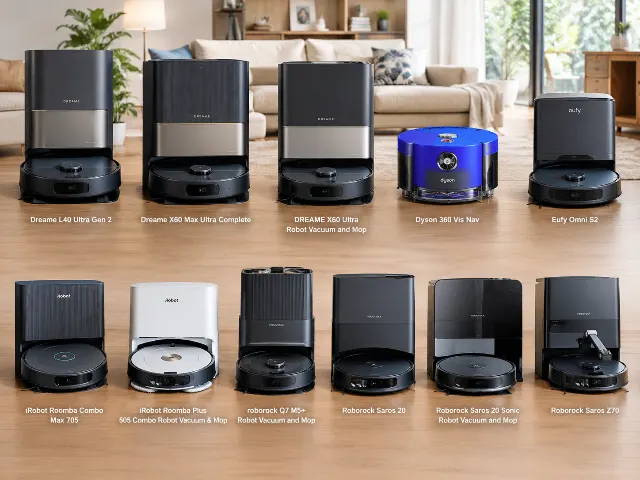
The Dreame X60 series represents the peak of 2026 hybrid technology. What sets it apart is the extendable side mop, a small robotic arm that pushes one of the spinning mop pads out to clean right up to the baseboards. This solves one of the longest-standing complaints about robot mops: the dirty halo they leave along walls and under cabinets. Combined with its powerful 12,000Pa suction, an advanced self-washing and drying dock that uses hot water, and reliable obstacle avoidance, it's the most complete and effective cleaning system we've researched. It is, however, extremely expensive and its massive dock requires significant space. It's overkill for small apartments but a genuine workhorse for larger homes with mixed flooring.
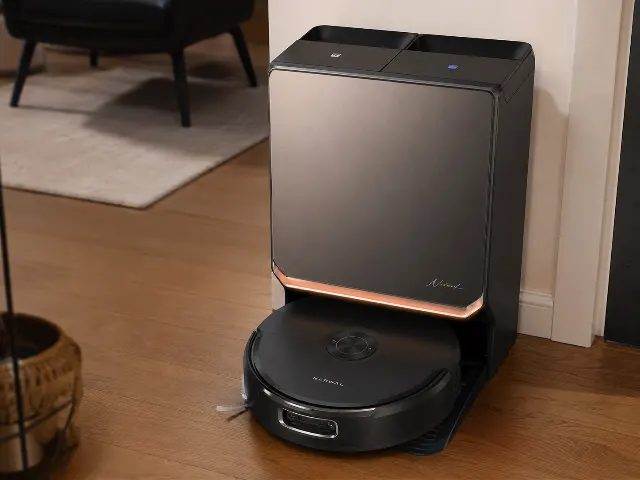
The smart-money pick: NARWAL Flow 2 Robot Vacuum and Mop Combo
Narwal has consistently delivered excellent mopping performance, and the Flow 2 is a refined, more accessible package. It focuses on getting the fundamentals right: triangular, high-pressure spinning mops that excel at corner cleaning, and a compact, effective self-cleaning station. While its vacuum suction isn't chart-topping like the Dreame, it's more than sufficient for hard floors and low-to-medium pile carpets. Owners praise its tangle-free brush design, which is a real win for pet owners. It forgoes some of the latest bells and whistles, like hot water washing, to hit a more reasonable price point, making it the best value for someone who prioritizes mopping quality above all else.
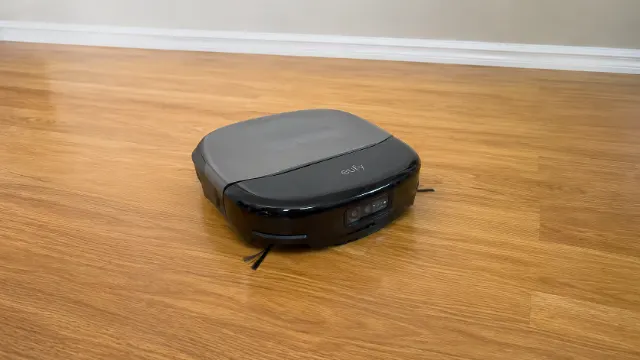
Best for less: Eufy Omni S2
Eufy consistently delivers strong performance at a lower price, and the Omni S2 is no exception. It brings the core features of a flagship—a self-emptying, self-washing, and self-drying omni station—down to a more palatable cost. It uses dual rotating mops and has solid LiDAR navigation. Where do they cut costs? The mop lift height is less than premium rivals, meaning it can struggle with medium-pile carpets, and its object avoidance isn't as adept at identifying small items like cables or pet toys. But for homes with primarily hard floors and low-pile rugs, it offers 80% of the performance of a top-tier model for potentially 60% of the price. The app is also frequently cited as being simpler and more user-friendly than some of its more complex competitors.
Top Robot Vacuums for Carpet-Heavy Homes in 2026
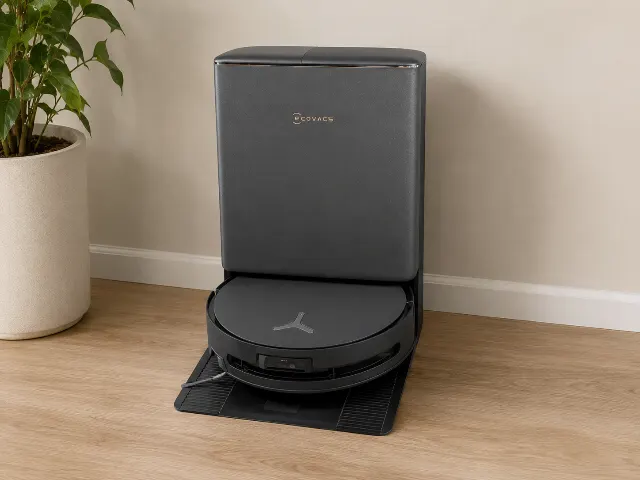
If you're in the vacuum-only camp, your priority should be raw power and brush design. Look for models with 5,000Pa of suction or more and a dual-roller or rubber-fin brush system designed to resist hair wraps. While many flagship lines have gone hybrid-only, some brands still offer powerful vacuum-only options. Alternatively, consider a premium hybrid like the Ecovacs Deebot T90 Pro Omni and simply remove the mopping pads. This gives you the top-tier vacuuming and obstacle avoidance technology without using the mopping function, though you are paying for hardware you don't need.
A glance at each
| Product | Dried-stain removal | Hard-floor finish | Mopping pressure | Carpet mop-lift | Self-wash / self-dry dock | Navigation & mapping | Verdict |
|---|---|---|---|---|---|---|---|
| Dreame X60 Max Ultra Complete | Excellent | Excellent | Very good | Excellent | Excellent | Excellent | The best hybrid money can buy, with unique edge-cleaning tech. It's big and expensive. |
| NARWAL Flow 2 Robot Vacuum and Mop Combo | Very good | Excellent | Excellent | Very good | Very good | Very good | A mopping-first powerhouse that offers fantastic value and performance where it counts. |
| Eufy Omni S2 | Good | Very good | Good | Good | Very good | Good | Brings premium omni-station features to a much lower price point. A smart buy for less complex homes. |
| Ecovacs Deebot X12 OmniCyclone | Very good | Very good | Very good | Excellent | Excellent | Excellent | A strong all-around performer with top-tier navigation and a reliable, feature-rich dock. |
Editorial assessments from aggregated owner feedback and manufacturer specifications — not independent lab tests.
Separate vs. Combo: A Head-to-Head Cost & Space Analysis
Let's do the math. A top-tier robot vacuum with a self-empty dock can. A separate, high-quality robot mop with a cleaning station (a much rarer product) would be another. You're looking at a total cost and, crucially, two large docks taking up floor space in different parts of your home. In contrast, a flagship hybrid combo unit like the ones recommended above lands in the range. You get superior, integrated functionality for a similar or lower price and only have to find space for one docking station. The economics heavily favor the 2-in-1 vacuum mop combo. The only scenario where two devices make sense is in a multi-level home where you might keep a dedicated vacuum upstairs on the carpeted bedroom level and a hybrid downstairs for the main living areas.
The upkeep nobody mentions
These are not set-it-and-forget-it machines. The automation creates new maintenance tasks. With a hybrid's omni station, you have to regularly empty the dirty water tank and refill the clean water tank. Fail to do so, and the station will smell like a swamp. Verified buyer feedback consistently highlights this as the main recurring chore. The tanks typically need attention every 3-7 days, depending on usage. You'll also need to periodically clean the washing tray inside the dock, as sediment and hair can build up. And then there are the consumables: replacement mop pads, filters, side brushes, and proprietary cleaning solutions all add to the long-term cost of ownership. Before buying, check the price of a full set of replacement parts. It can be surprisingly high.
What to avoid
Steer clear of any robot vacuum-mop that lacks a self-washing base station. Models that require you to manually remove and wash the mopping pad after every run are obsolete. They defeat the entire purpose of automation and, as owners consistently report, often end up being used only as vacuums after the novelty wears off. Also, be wary of models with poor carpet detection. A robot that drags a damp, dirty pad across your area rug is worse than no mop at all. Finally, avoid any brand with a poorly rated app or recurring connectivity issues. The app is your primary interface; if it's buggy, slow, or constantly drops connection, the robot itself becomes a frustrating piece of hardware. Check recent app store reviews before committing.
Frequently asked questions
Do I need both a robot vacuum and a robot mop?
Rarely. A single high-quality hybrid unit now handles both tasks effectively, saving space and cost with one dock. Two separate robots might be useful in a very large, multi-level home to dedicate one machine per floor, but for most homes, a modern combo is more efficient.
Are 2-in-1 robot vacuum and mop combos worth it?
Yes, for any home with hard flooring. The mopping function is a significant upgrade over vacuuming alone. For homes with 100% carpet, however, you are paying for a feature you won't use, making a powerful vacuum-only model a more cost-effective choice.
What is the difference between a robot vacuum and a robot mop?
A robot vacuum uses suction and a brush roll to lift dry debris like dust and hair. A robot mop uses a wet pad or roller to scrub hard floors. Modern 2-in-1 hybrids combine both functions, intelligently lifting the mop on carpet to work only as a vacuum.
Do robot mops work on carpet?
No, and they are designed not to. Advanced models use ultrasonic sensors to detect carpet and automatically lift the mopping pad to prevent it from getting wet. A machine that drags a damp pad across carpet is a sign of a poor, outdated design, not a feature.
Do robot mops just spread dirty water around?
Basic, cheaper models can. However, premium 2026 models solve this with self-washing docks that clean and rinse the mop pads with fresh water mid-cycle. This ensures the robot is always cleaning with a clean pad, preventing the spread of dirt across your floors.
Which is better if my home is mostly carpet?
A dedicated, powerful robot vacuum is the best choice. Since the mopping function would be inactive on carpet, your money is better spent on features like strong suction power, an effective anti-tangle brush roll for hair, and superior carpet detection for deep cleaning.
Can a robot mop replace a real mop?
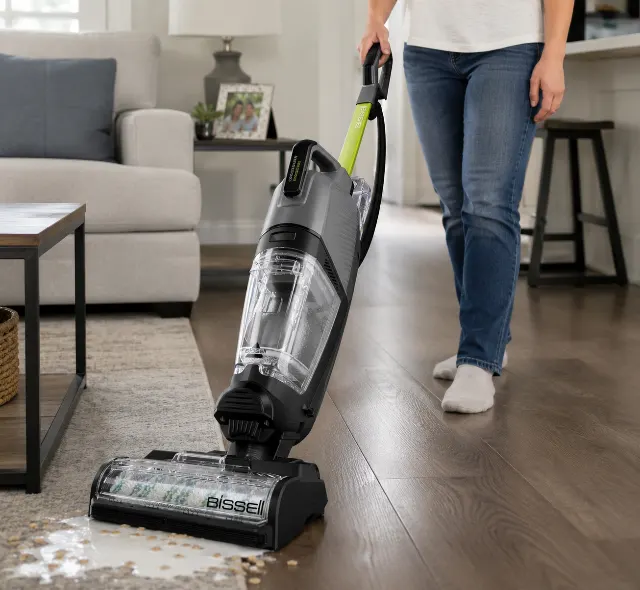
For daily and weekly maintenance, yes. A premium hybrid with a self-washing dock keeps floors consistently clean. For deep cleaning caked-on messes or scrubbing grout, you will still occasionally want a manual tool like the <a href="/robot-mops/bissell-crosswave-hydrosteam-deluxe-steam-mop/">Bissell CrossWave HydroSteam Deluxe Steam Mop</a>.
How do robot vacuum mop combos handle pet hair?
Effectively, but look for specific features. Strong suction is key for lifting hair from carpets. A rubber or combination brush roll is better at resisting tangles than bristle-only brushes. The mopping function then picks up the remaining dander and fine hair that vacuuming misses.
Products in this guide
Ecovacs Deebot X12 OmniCyclone
★★★★★ ★★★★★ 4.2The Ecovacs Deebot X12 OmniCyclone offers unmatched 22,000Pa suction and a truly bagless dock, but its advanced features demand a stable Wi-Fi connection and a buyer willing to troubleshoot app quirks.
Ecovacs Deebot T90 Pro Omni
★★★★★ ★★★★★ 4.2Flagship roller-mop hybrid that kills the un-mopped edge gap with 30,000Pa suction — but the OMNI dock is bulky and consumables add up.
Dreame X60 Max Ultra Complete
★★★★★ ★★★★★ 4.2The Dreame X60 Max Ultra Complete delivers immense suction and a truly automated mop, but its object avoidance isn't flawless and the base station is demanding.
Eufy Omni S2
★★★★★ ★★★★★ 4.2The Eufy Omni S2 delivers near-premium cleaning power and mopping for a mid-range price, but its obstacle avoidance still lags behind top-tier rivals.
NARWAL Flow 2 Robot Vacuum and Mop Combo
★★★★★ ★★★★★ 4.2The Narwal Flow 2's hot water mopping is genuinely effective on tough grime, but its object avoidance AI isn't as foolproof as premium rivals.
Bissell CrossWave HydroSteam Deluxe Steam Mop
★★★★★ ★★★★★ 4.2The Bissell CrossWave HydroSteam adds effective steam cleaning for tough, sticky messes, but its true cost is the mandatory, time-consuming post-use cleanup.
DREAME X60 Ultra Robot Vacuum and Mop
★★★★★ ★★★★★ 4.2The Dreame X60 Ultra delivers exceptional, near-automated mopping and vacuuming, but its true cost emerges in long-term maintenance and the app's complexity.
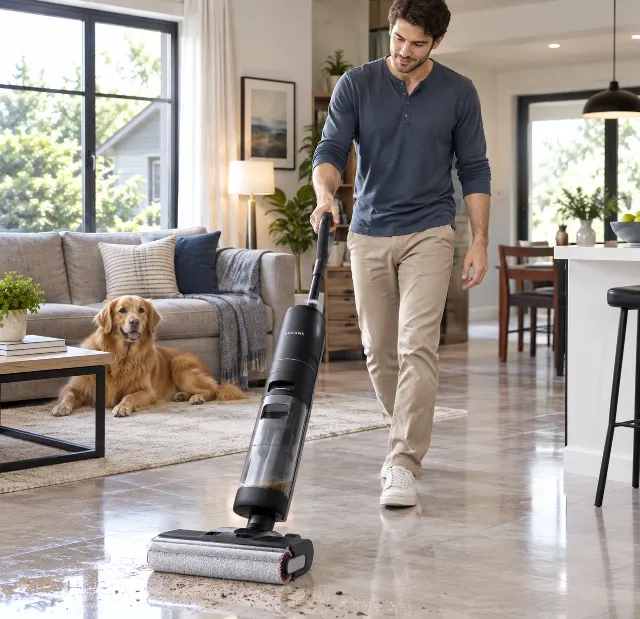
Dreame G10 Pro Review: The Good, The Bad, The Verdict
★★★★★ ★★★★★ 4.1The Dreame G10 Pro delivers impressive edge cleaning and self-drying, but its real-world battery life on max power is a significant constraint for larger homes.
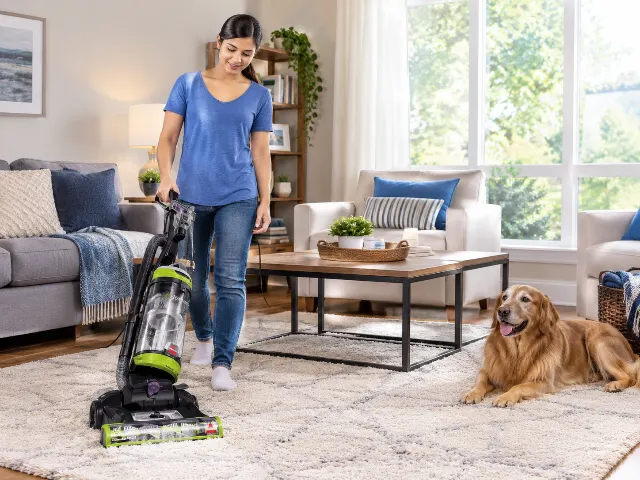
Bissell CleanView Swivel Pet Upright Vacuum, Swivel Steering for Maneuverability, Triple Action Brush Roll for Pet Hair, Large Capacity Dirt Tank & Scatter-Free Tech, 2252
★★★★★ ★★★★★ 4.2The Bissell 2252 excels at pet hair removal for its price, but its budget build means you trade premium features like cord rewind for raw cleaning power.
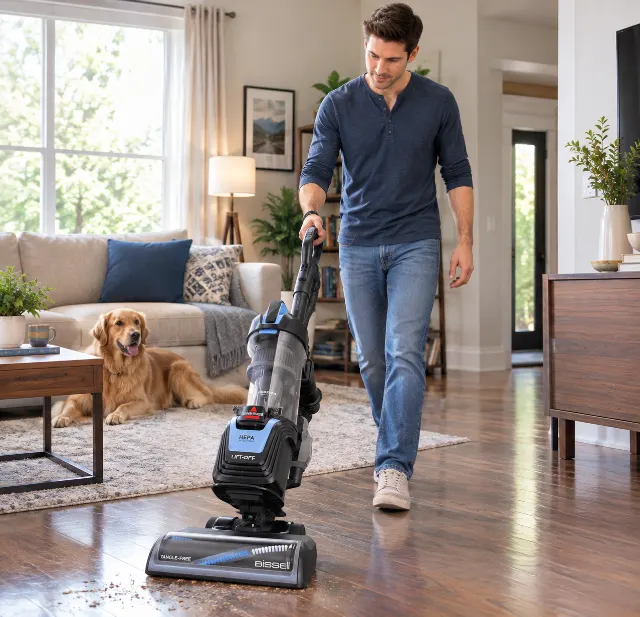
Bissell Pet Hair Eraser Allergen Lift-Off, HEPA, 39883
★★★★★ ★★★★★ 4.2A powerful, corded upright for pet-heavy homes, the Bissell 39883 excels at hair pickup but its weight and bulk make it a chore for multi-level cleaning.
More guides
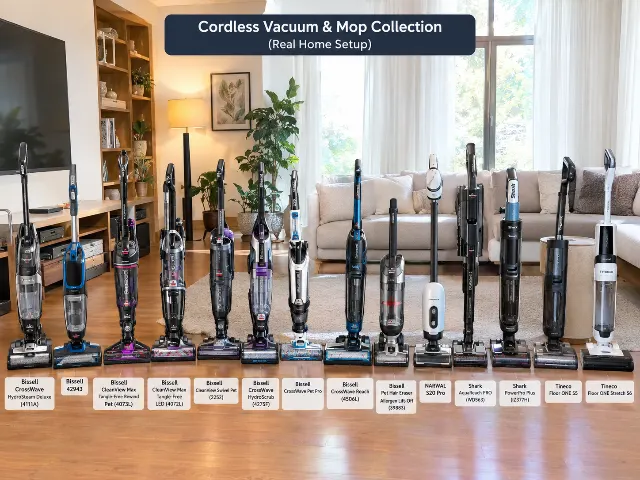
Best Cordless Vacuums of 2026
We researched the best cordless vacuums for pet hair, carpets, and hardwood. After synthesizing owner reviews, our top picks are the Eureka ReactiSense 440, Shark Stratos, and Dyson V15 Detect.
Best Robot Vacuum for Pet Hair
Tired of pet hair tumbleweeds? We researched dozens of models to find the best robot vacuums that actually handle fur, avoid pet waste, and don't get stuck.
Best Robot Vacuums (2026): Top Picks & Reviews
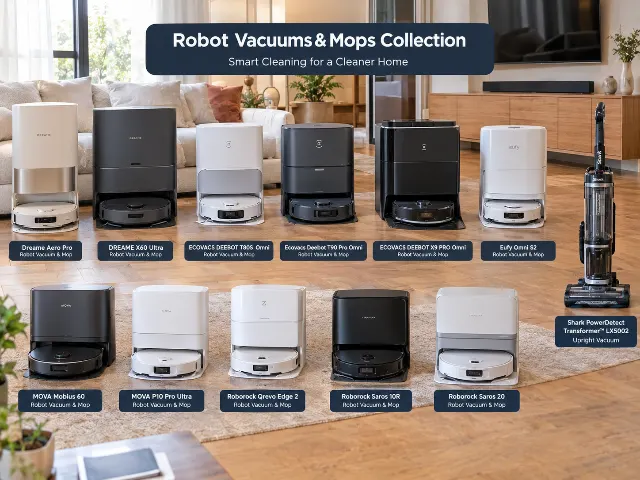
We researched the best robot vacuums of 2026. After analyzing owner reviews and specs, we recommend the Roborock Qrevo CurvX, Mova V50, and more.